
 Weavers Web
  October 13,2026
  Comments (0)
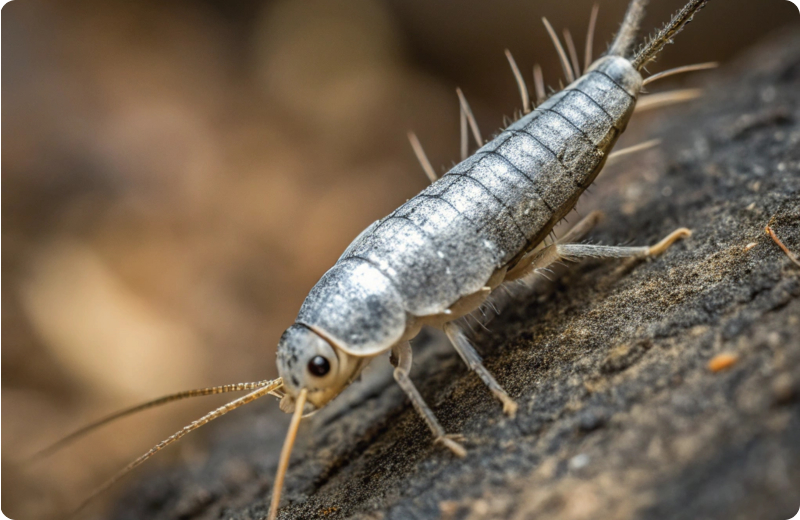
 Silverfish infestations rarely arrive with drama. There is no sudden outbreak, no visible swarm, and no immediate sense of urgency. In most Dubai homes, the problem begins quietly—often with a single sighting near a bathroom drain, a wardrobe corner, or along a kitchen skirting board late at night. Because silverfish neither bite nor fly, homeowners frequently dismiss them as harmless.
This assumption is where the infestation gains control.
By the time silverfish are seen repeatedly, the problem is no longer limited to what is visible. The infestation has already settled deep within the structure of the home, hidden inside wall cavities, behind cabinetry, beneath flooring edges, and around moisture lines. At this stage, surface cleaning and household sprays offer nothing more than temporary relief.
For professional pest control companies operating in Dubai and Abu Dhabi, silverfish infestations follow a familiar and predictable progression—one that becomes increasingly difficult to reverse without expert intervention.
The UAE’s modern residential environment unintentionally supports silverfish survival throughout the year. Unlike pests that depend on outdoor seasons, silverfish are indoor survivors. They flourish in stable conditions, and UAE homes provide exactly that.
Constant air-conditioning maintains a consistent indoor temperature that allows silverfish to remain active year-round. Bathrooms, kitchens, and laundry areas generate humidity, even in well-maintained properties. Storage-heavy interiors, built-in wardrobes, false ceilings, and concealed plumbing lines create undisturbed spaces where silverfish can nest without interference.
In Dubai apartments and Abu Dhabi villas alike, these conditions combine to form an ideal habitat—one that silverfish exploit efficiently and silently.
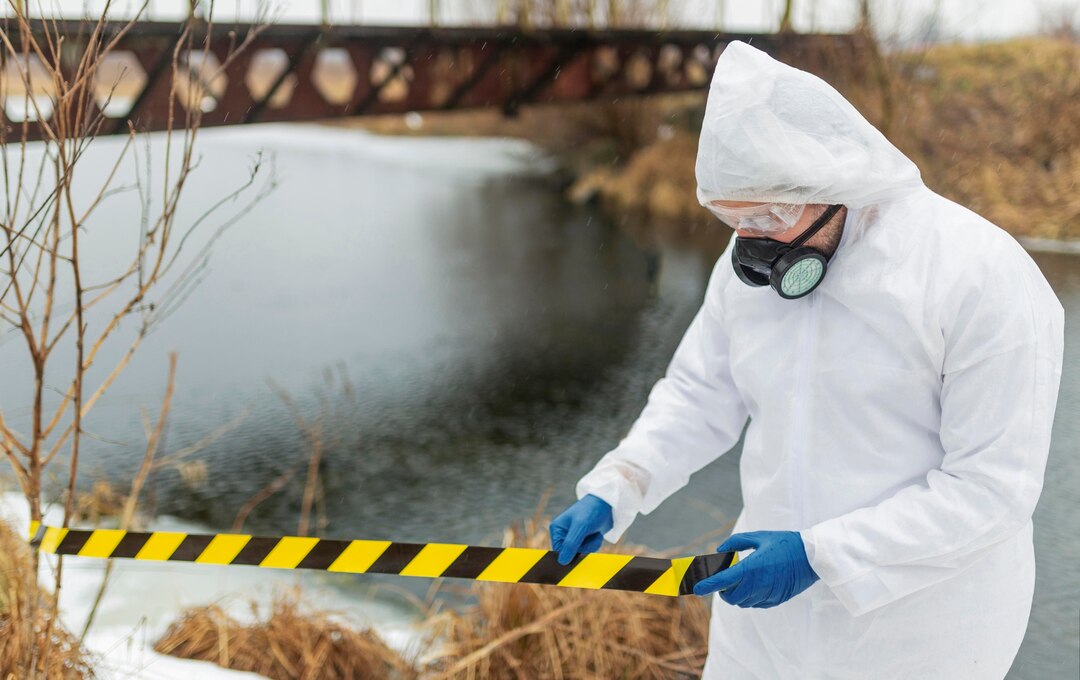
Through professional inspections across Dubai and Abu Dhabi, pest control technicians repeatedly encounter silverfish activity in similar locations. These areas are chosen not by chance, but because they provide moisture, darkness, and safety from disturbance.
Bathrooms often serve as initial entry points, especially behind tiles and under vanities. From there, infestations spread through wall voids into adjacent kitchens, wardrobes, and storage rooms. Washing machines and dishwashers are frequent nesting sites due to consistent moisture. In larger villas, false ceilings and utility areas often conceal advanced infestations for months before detection.
Because silverfish move through structural pathways, treating only the room where they are seen fails to stop their spread.
Many homeowners attempt to manage silverfish using off-the-shelf sprays, natural repellents, or online home remedies. While these methods may kill individual insects on contact, they do not address the infestation as a whole.
Household sprays lack residual effectiveness in humid environments and cannot penetrate nesting zones hidden behind walls or fixtures. Traps capture only active insects, leaving eggs and juveniles untouched. Home remedies provide no lasting control and often create a false sense of resolution, allowing infestations to expand unnoticed.
In UAE properties, where silverfish activity is supported year-round, incomplete treatment almost always leads to recurrence—often in different areas of the home.
Silverfish damage does not occur overnight, which is why it is frequently underestimated. Over time, however, the cumulative impact becomes evident. Books develop irregular edges. Important documents show unexplained deterioration. Clothing stored for long periods reveals holes or surface damage. Wallpaper begins to peel at the seams.
For tenants, these issues reduce living comfort. For homeowners and landlords, they translate into replacement costs and repeated complaints. The longer the infestation persists, the more widespread and expensive the damage becomes.
(Only bullet-point section as requested)
During a professional inspection in a Downtown Dubai apartment, technicians discovered silverfish nesting behind kitchen cabinets and inside wall cavities connected to plumbing lines. The homeowner had used sprays regularly, believing the issue was under control. In reality, the infestation had spread into wardrobes and storage rooms.
Once professional treatment addressed both the nesting sites and the environmental conditions, activity ceased completely within weeks. No recurrence followed.
This outcome is typical when infestations are treated correctly and comprehensively.
Silverfish infestations in Dubai and Abu Dhabi are not surface-level issues. They are structural, environmental, and behavioral problems combined. Effective control requires understanding how the insect survives, how it spreads, and how UAE homes unintentionally support it.
Professional pest control ensures accurate identification, safe chemical application, and long-term results—something DIY solutions cannot deliver.
Silverfish may be small, but their impact is not. In the UAE’s indoor climate, infestations do not disappear on their own. They grow quietly, spread structurally, and cause damage that becomes visible only when it is already extensive.
Professional pest control is not an overreaction—it is the only reliable way to eliminate silverfish infestations and protect property long-term.

October 13,2026

October 13,2026



Add a comment
By using form u agree with the message sorage, you can contact us directly now