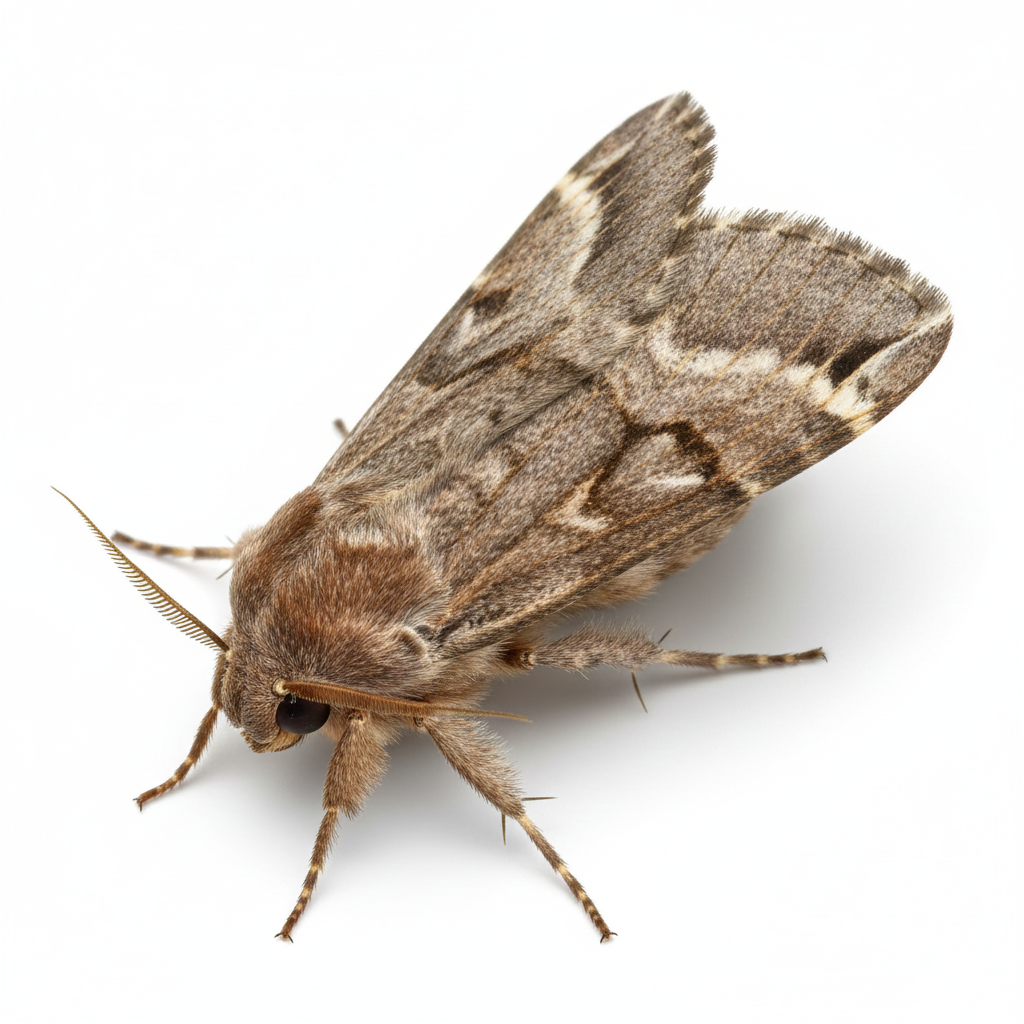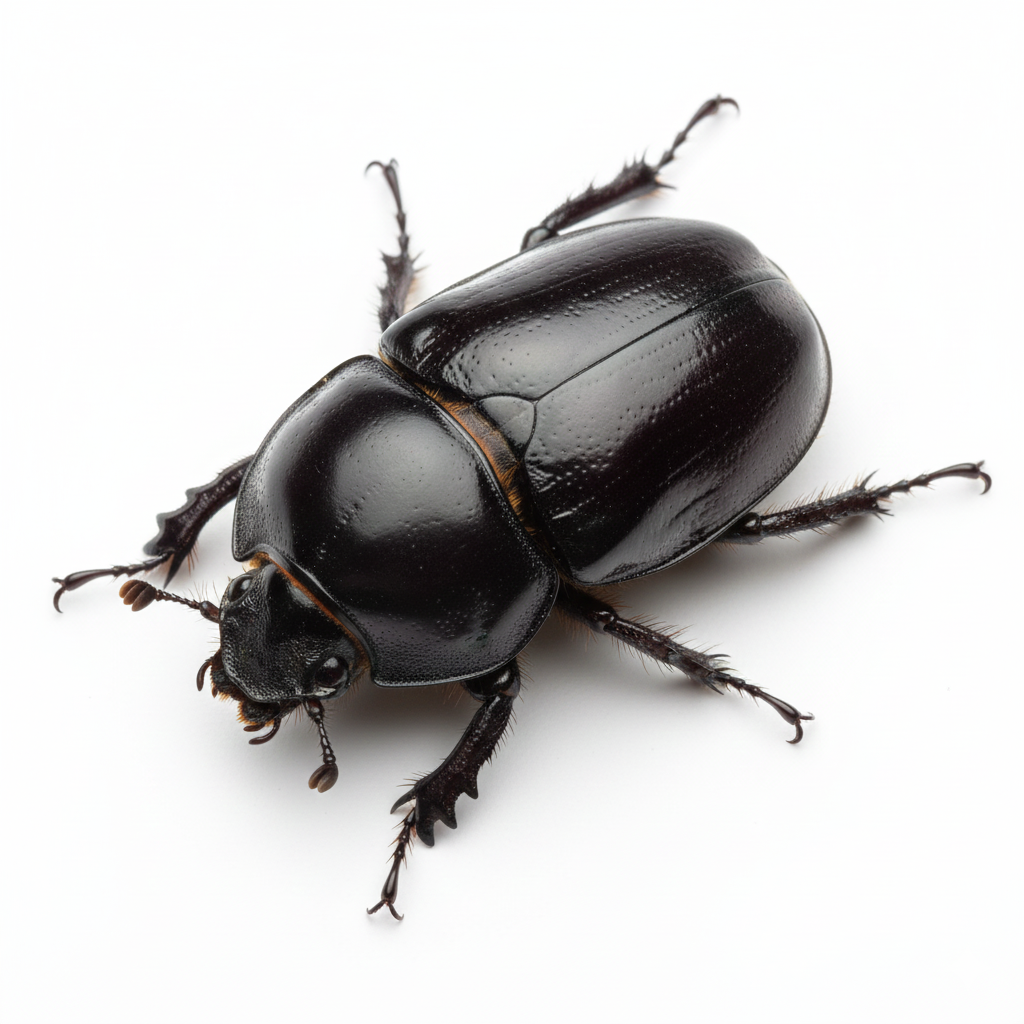
Protect your home or business from stored-product pests by learning how to identify, prevent, and control these insects that invade your dry goods, pantry and storage areas.
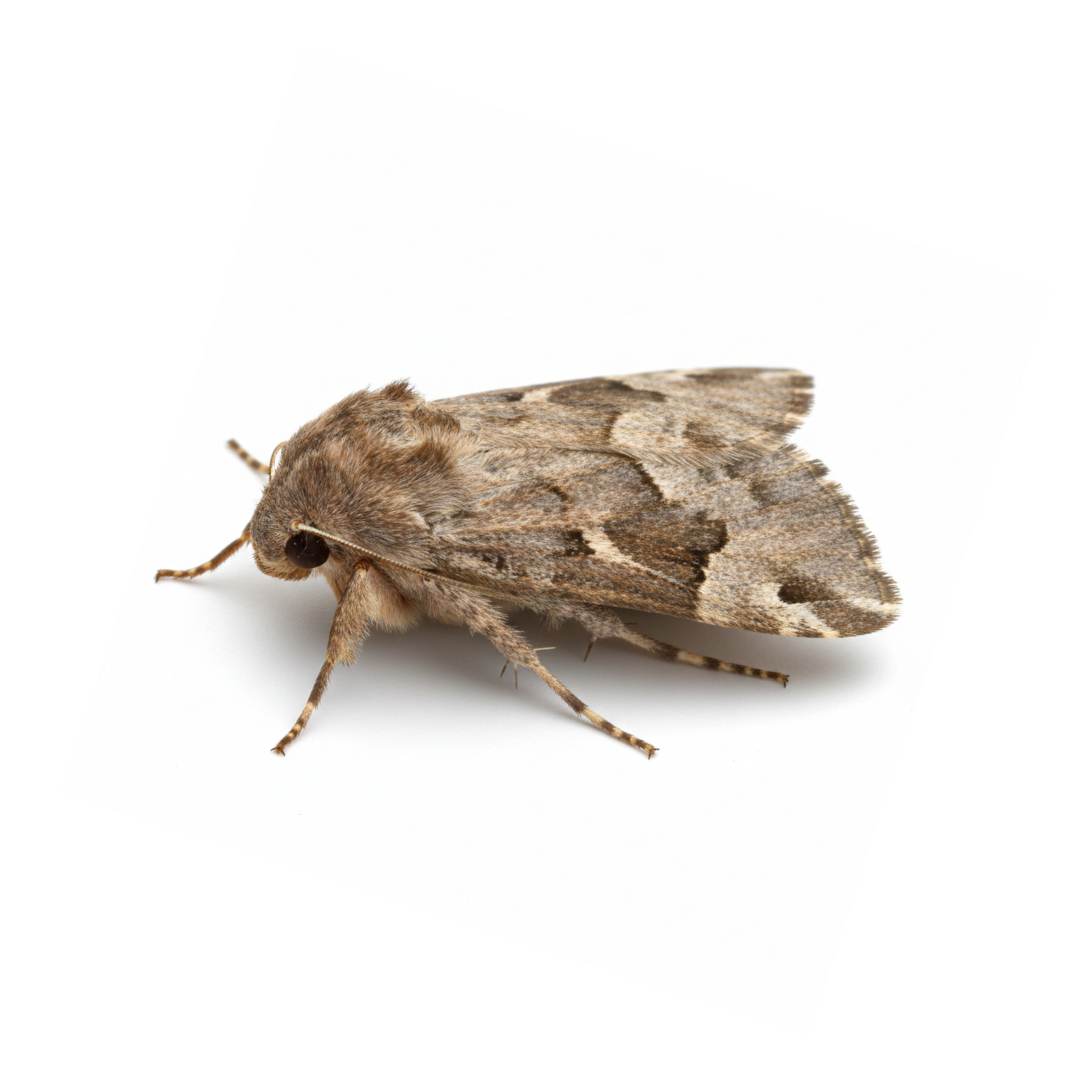
Stored product pests such as weevils, beetles, and pantry moths are the uninvited occupants of your food-storage areas, and identifying them early is key to control. Weevils (for example, the rice or granary weevil) are beetle-type insects with a distinctive snout-like projection and are often found infesting whole grains such as rice, wheat, or corn.
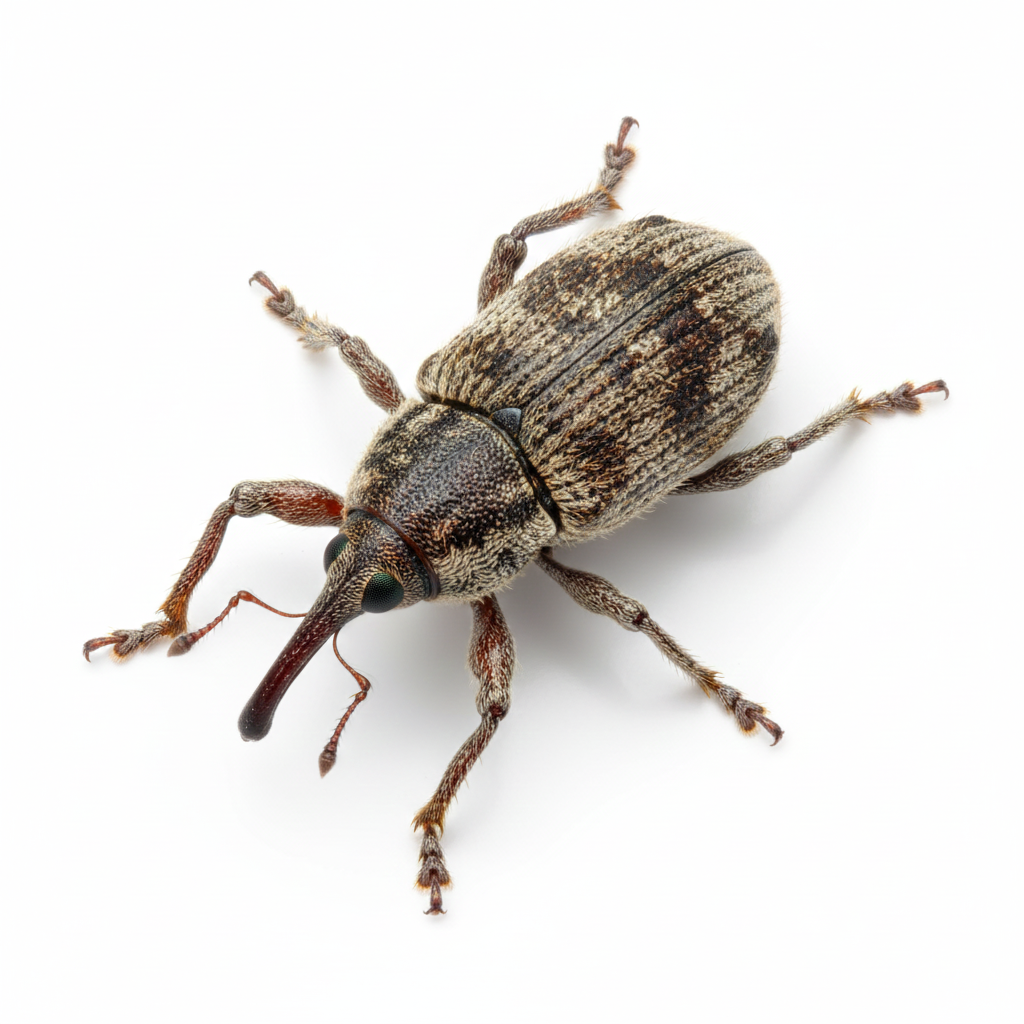
Sitophilus oryzae
At Santera, we employ a comprehensive, tailored service. This helps eliminate stored-product pests and protect your food-storage areas from re-infestation. Our experienced technicians begin by identifying exactly which pests are present. We trace their infestation to the source: infested food items, compromised packaging, or hidden cracks and gaps. We then advise on and support improvements to your storage practices. You can transfer foods into pest-proof containers, remove old or open stock, and seal cracks and packaging.
Yes. Opt for good practices like storing food in airtight containers, checking groceries before purchase, rotating stock, and cleaning shelves regularly to help. But persistent infestation may need professional service.
Because maybe not all infested items were removed, some live larvae may be hidden in packaging or pantry cracks, or the root cause (poor storage, humidity, damaged packaging) remains unaddressed. Regular monitoring and thorough cleaning are required.
– but the major ones in home and business storage are weevils/beetles/moths.
These pests may attack whole grain kernels (weevils) or processed food (beetles/moths) depending on the species.
Infested food often shows webbing (moths) or small holes (weevils) or live insects in packages (beetles) even when packaging appears sealed.
Infestations can cause economic loss, contamination and health risk (from spoiled, infested food) in commercial or home settings.
Prevention is key: good storage, cleanliness, sealing containers, inspecting food shipments/items entering store or pantry.
Stored product pests include weevils, beetles, moths and mites – but the major ones in home and business storage are weevils/beetles/moths.
These pests may attack whole grain kernels (weevils) or processed food (beetles/moths) depending on the species.
Infested food often shows webbing (moths) or small holes (weevils) or live insects in packages (beetles) even when packaging appears sealed.
Infestations can cause economic loss, contamination and health risk (from spoiled, infested food) in commercial or home settings.
Prevention is key good storage, cleanliness, sealing containers, inspecting food shipments/items entering store or pantry.
Visit the santera Pest Library to learn how to identify and control every pests.
When pests such as weevils, flour beetles or pantry moths invade your storage, one of the first signs is visible
Read MoreThese pests often develop inside grain kernels, flour sacks, and sealed or semi-sealed containers. Some beetles bore into whole grains,
Read More