
Cockroaches (order Blattodea) are among the oldest living insects on Earth, having existed for over 300 million years, even before the dinosaurs! There are more than 4,500 species of cockroaches worldwide, though only about 30 species are associated with human habitats.
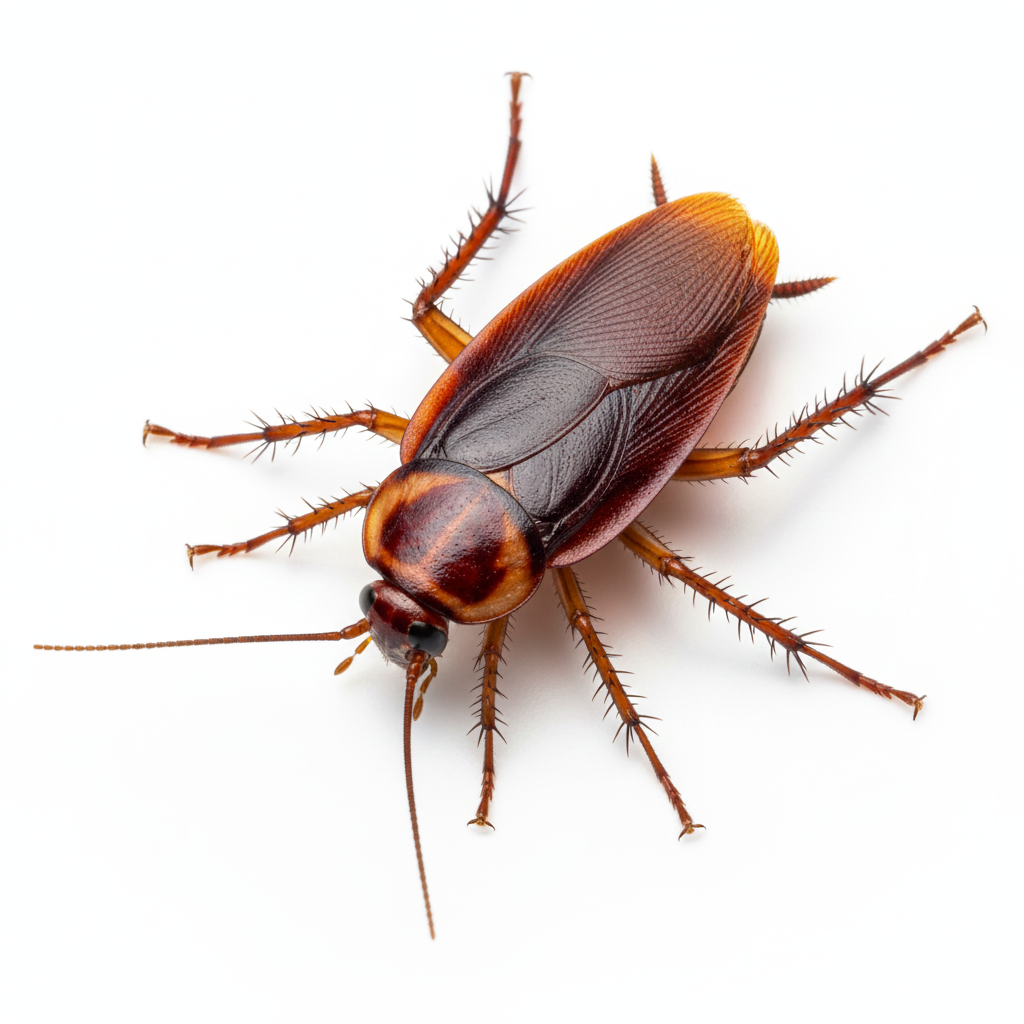
Cockroaches are flat-bodied, oval-shaped insects with long, thin antennae and spiny legs. Their body design is made for speed, stealth, and survival. They are sleek, low, and flexible enough to slip through narrow cracks and crevices.
They vary in size depending on the species, but generally range from 1.5 cm to 8 cm in length. Most are brown or reddish-brown, though some species can appear black, tan, or even glossy.
Family: Blattidae / Blattellidae
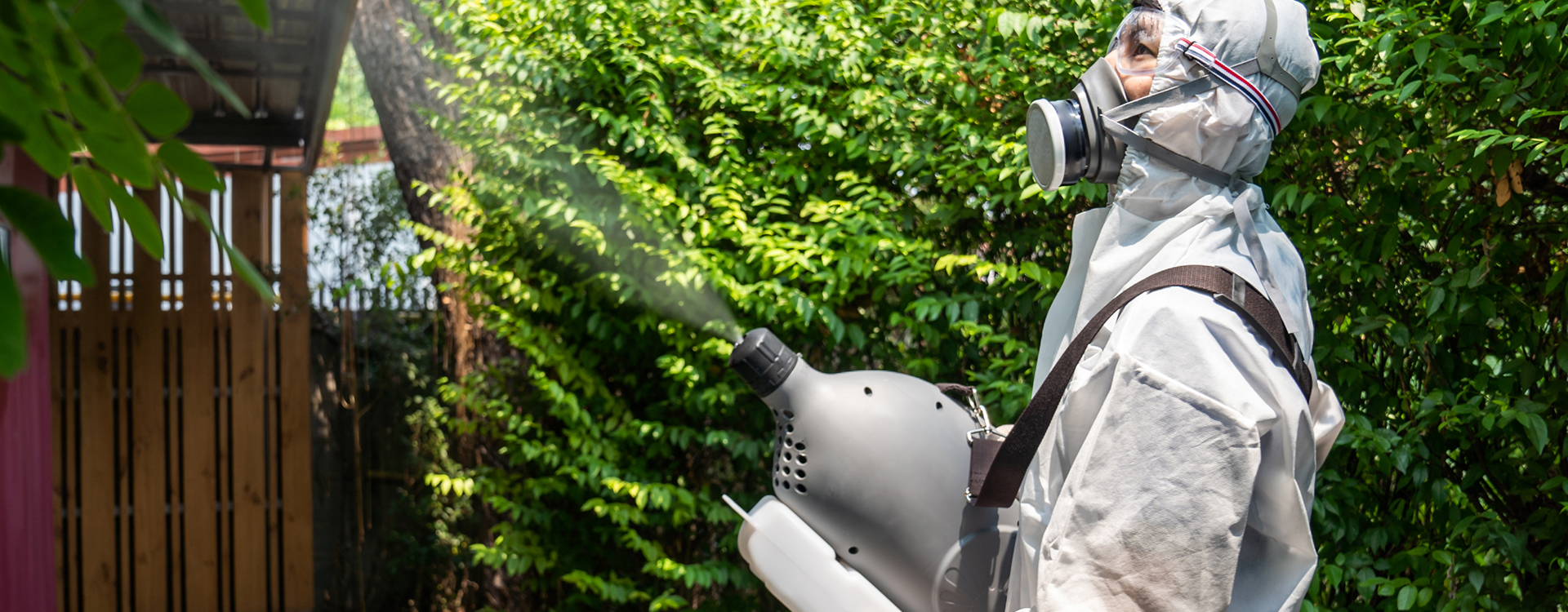
To get rid of cockroaches, keep your home clean and dry, especially kitchens and bathrooms. Seal cracks and crevices, fix leaks, and store food in airtight containers. If the infestation is severe, call a professional pest control service. Santera tackles cockroach infestations with precision by inspecting, treating, and preventing their return. Using advanced methods and eco-safe solutions, experts ensure thorough elimination and long-term protection for a cleaner, healthier space.
Cockroaches enter homes in search of food, water, and shelter. They are attracted to crumbs, grease, standing water, and clutter. Even in clean homes, they can get in through cracks, leaky pipes, or open food containers. They can also come through drains, grocery bags, or neighboring apartments.
Sprays containing pyrethroids or pyrethrins can kill visible roaches on contact. For long-term control, gel baits and boric acid are more effective since they reach hidden nests.
Natural options like diatomaceous earth and baking soda, as well as sugar mixtures, can kill them over time by dehydrating or causing gas buildup.
You can spot a cockroach infestation through a few clear signs. The most obvious is seeing roaches, especially during the day, a sign that their hiding places are overcrowded. You may also notice a musty, oily odor and tiny dark droppings that look like coffee grounds near baseboards or kitchen appliances. Finding egg cases (oothecae), small, brown, oval capsules, is another warning of breeding activity. Lastly, shed skins, smear marks, or chewed food packaging can also indicate an active infestation.
To prevent cockroaches, keep your home clean, dry, and clutter-free. Wipe up food spills, store food in airtight containers, and take out garbage daily. Fix leaks, seal cracks, and block entry points. Regularly vacuum and clean hard-to-reach areas, such as behind appliances. Use bait traps or diatomaceous earth for extra protection. Consistent cleaning is the best defense against cockroaches.
Cockroaches are incredibly tough survivors. They can live a month without food and a week without water. Amazingly, they can survive for days without their head because they breathe through tiny holes in their body. Their resilience and adaptability have enabled them to survive for millions of years, even before dinosaurs.
Cockroaches have existed for over 350 million years, even before dinosaurs.
They can survive on almost anything, from food crumbs to glue and paper.
While they can live a month without food, they survive only a week without water.
A cockroach can live for several days without its head, as it breathes through body openings.
Visit the santera Pest Library to learn how to identify and control every pests.
Cockroaches are one of the oldest living insects on Earth, surviving for over 300 million years. They can live without
Read MoreCockroaches thrive in dark, moist areas and multiply rapidly, spreading bacteria and allergens. Once an infestation begins, it can quickly
Read More


