Protect your home, garden, or business from scorpions by learning how to identify, prevent, and control these nocturnal arachnids when they become a problem.
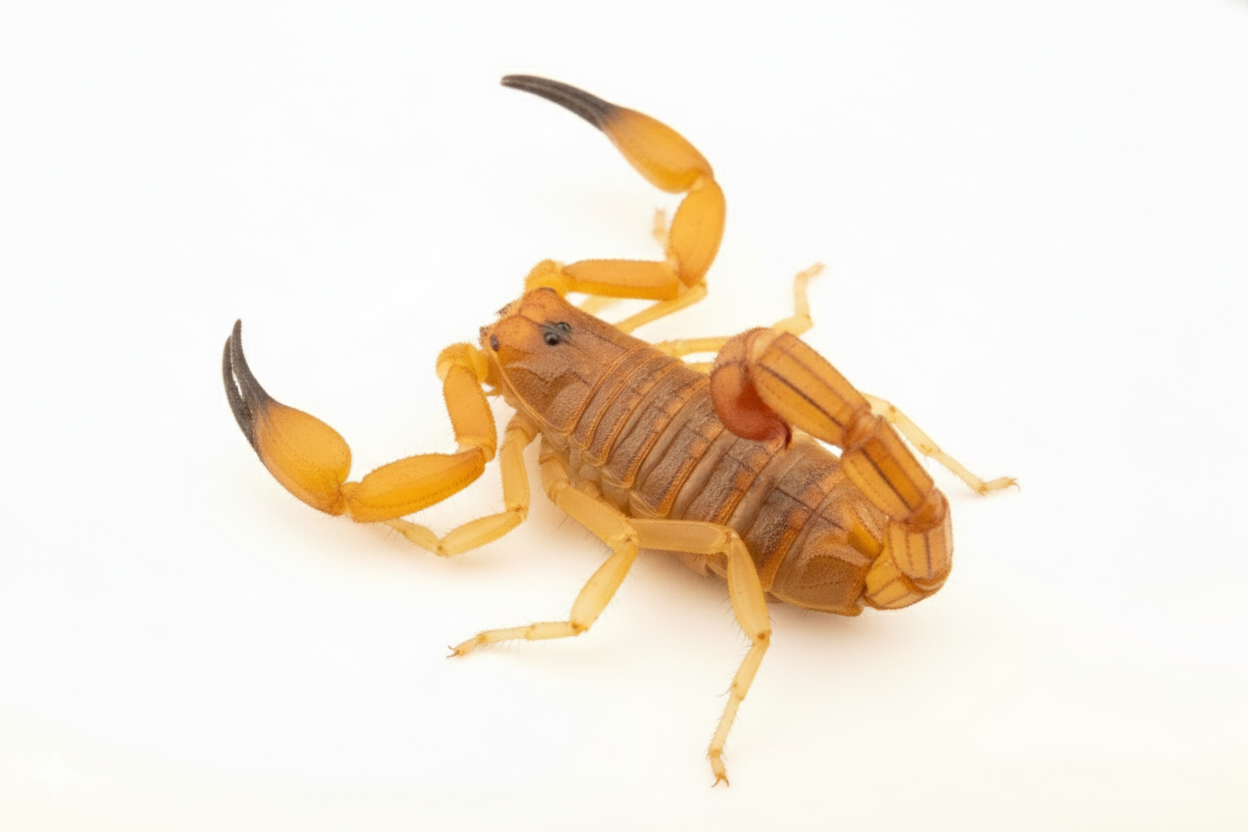
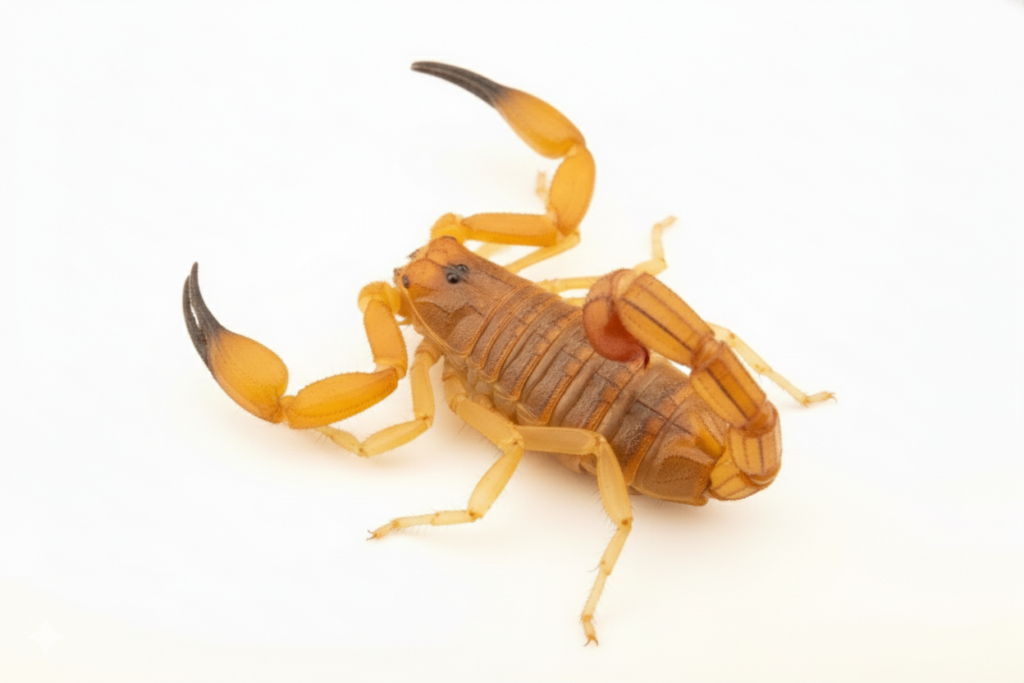
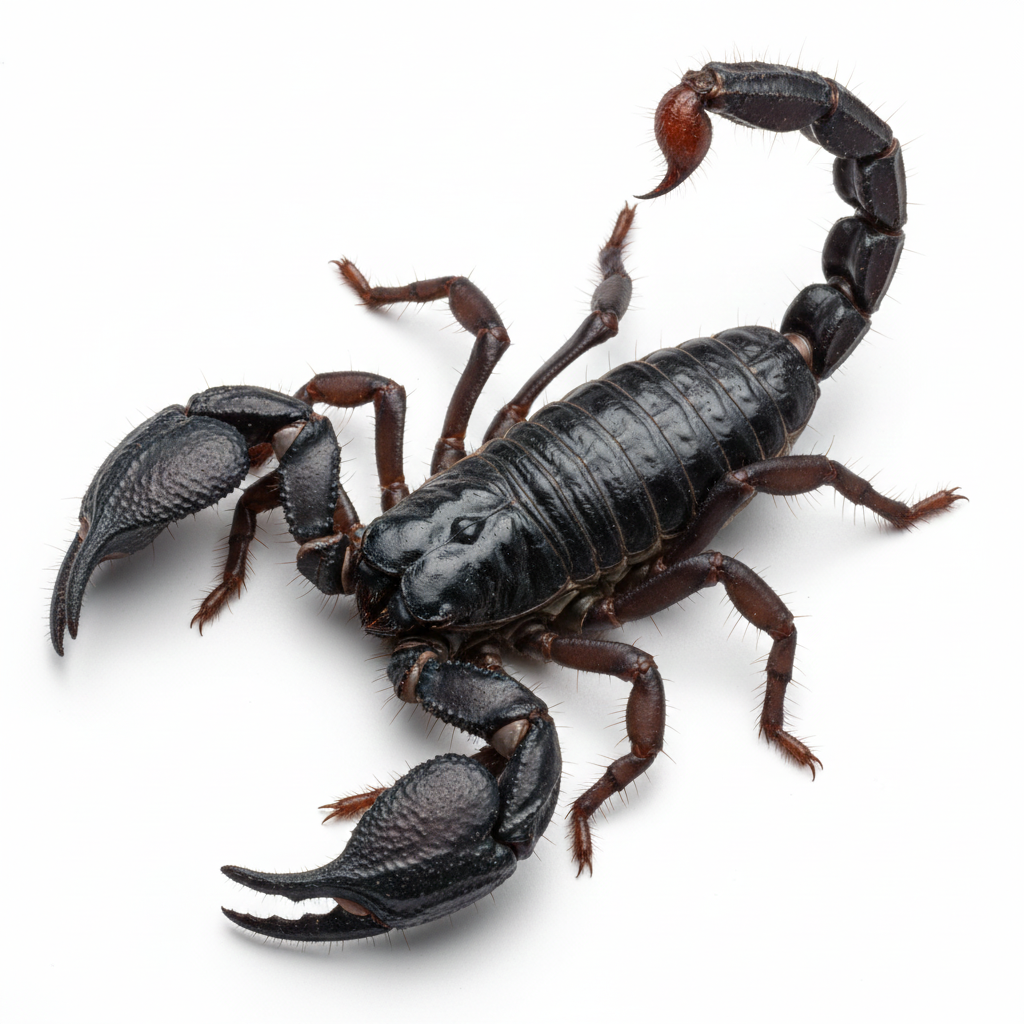
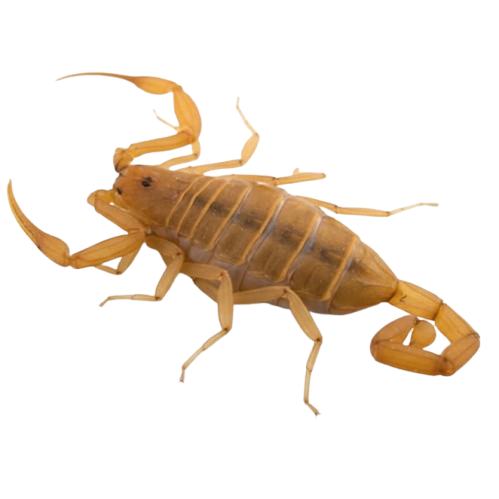
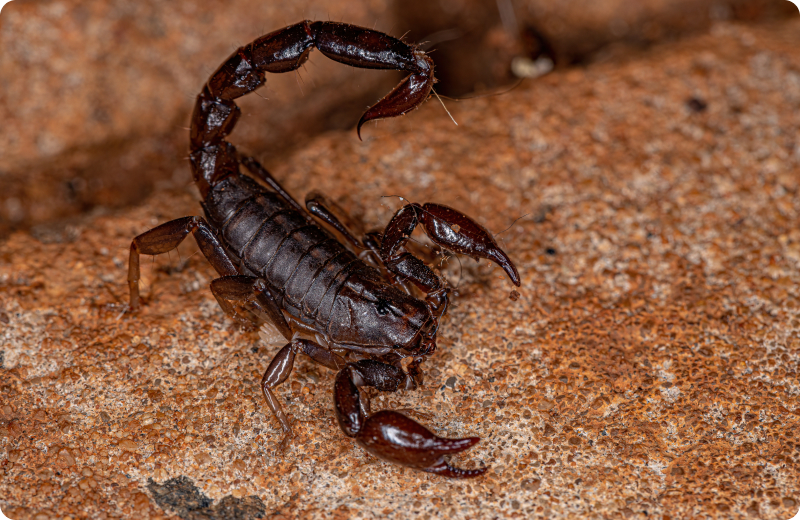
Scorpions are eight-legged arachnids with pincer-like claws (pedipalps) and a segmented tail that curves forward, ending with a venomous stinger. Their color ranges from pale yellow to dark brown or black, depending on the species and environment. They glow under ultraviolet light due to a substance in their exoskeleton.
Family: Buthidae
Scorpion control goes beyond simple extermination. It’s about creating a safer environment. Santera’s specialists focus on identifying risk zones, treating affected areas, and securing potential entry points. Through the A.I.M. approach, that is Assess, Implement, Monitor, Santera ensures effective removal, habitat reduction, and continuous protection against future scorpion threats.
They seek shelter, moisture, and prey such as insects or spiders. Cracks, loose tiles, and gaps under doors often provide easy entry.
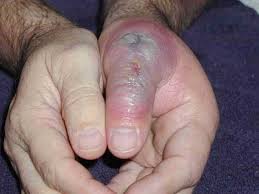
Most species cause pain, swelling, or numbness, but some, like the Indian Red or Arizona Bark Scorpion, can be medically significant. Seek medical attention for severe symptoms.
Keep your surroundings clean, reduce clutter, seal cracks, and eliminate other insects (their food source). Diatomaceous earth or essential oils like lavender may deter them.
Yes, if hiding spots or entry cracks remain. Santera ensures complete inspection, sealing, and follow-up visits to stop reinfestation.
Both are arachnids, but scorpions have pincers and stingers, while spiders have fangs and spin webs. Scorpions are also nocturnal ground hunters.
The more you know about scorpions, the better you can manage their presence safely and effectively.
Scorpions are carnivorous and prey on insects, spiders, and small lizards. They inject venom to paralyze their prey before eating.
They hide under rocks, logs, wall crevices, or dark corners during the day and come out at night to hunt. Indoors, they prefer basements or bathrooms.
Scorpions have a gradual life cycle that begins with live birth, as females give birth to fully formed young called scorplings. The newborn scorplings climb onto the mother’s back, where they remain protected until their first molt. Depending on the species, scorpions can take months to years to reach adulthood. They can live up to 6 years in favorable conditions.
Scorpions can survive extreme heat, cold, and long periods without food — making them resilient invaders in dry climates.
They are nocturnal, solitary, and prefer dark, undisturbed places. Though they avoid humans, they sting in defense when threatened.
Visit the santera Pest Library to learn how to identify and control every pests.
A scorpion sting can cause pain, redness, and tingling. Apply a cold compress and seek medical care if breathing difficulty,
They thrive in dry, warm environments like deserts, gardens, basements, and stone walls. Indoors, they may hide in shoes or