Protect your home or business by learning how to identify, prevent, and control these many-legged arthropods.
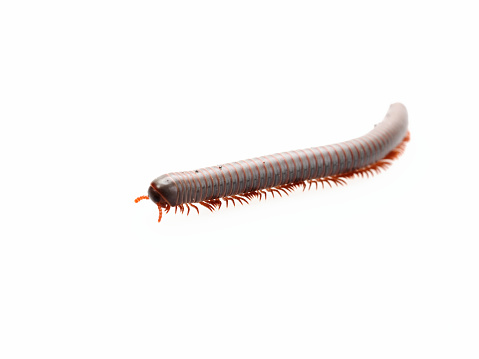
Millipedes – These creatures have long, rounded bodies with many segments, and two pairs of legs per body segment. Despite the name “millipede” (meaning “thousand feet”), most have far fewer than 1,000 legs.
They are typically slow-moving, dark coloured, and prefer moist, sheltered places like leaf litter, under rocks, or in soil.
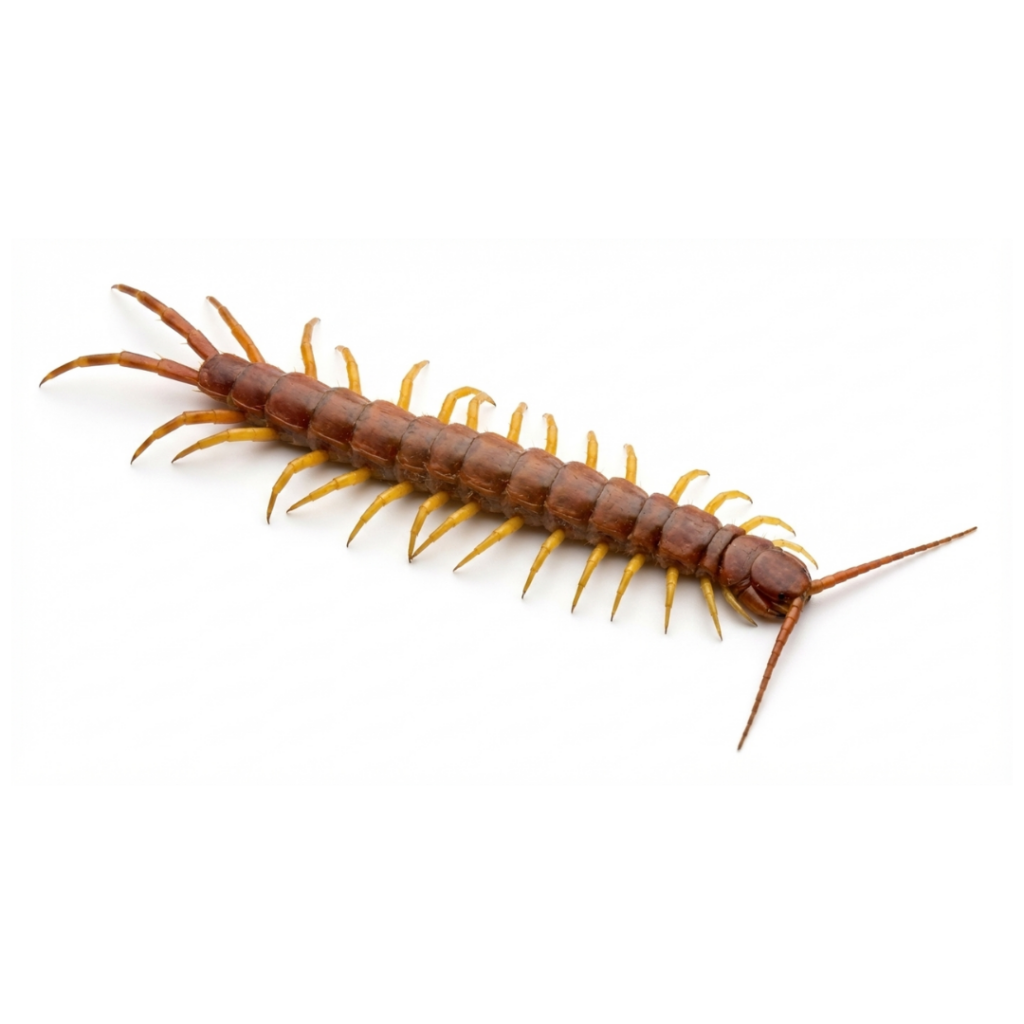
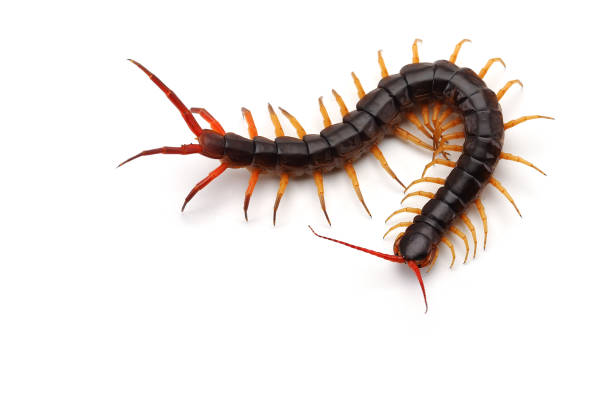
Centipedes – These have flattened, elongated bodies with one pair of legs per body segment (so each segment has one pair). They tend to move quickly and have legs that extend outwards.
They often have a reddish-brown colour, and are found in damp, dark places.
Family: Diplopoda / Chilopoda
At Santera, we use a planned, multi-step approach to eliminate millipedes and centipedes and prevent their return. Our trained professionals identify the specific species present, assess their hiding and entry points, and locate moisture-rich zones, cracks, crevices, and debris where they hide or breed. Apply safe, effective treatments tailored to your property: sealing access points, reducing moisture, and targeted barrier treatments. Every property is unique, so understanding the behaviour of these arthropods and the level of infestation is essential for effective control. After treatment, we provide follow-up services and guidance to maintain control and prevent resurgence.
Yes. Reducing moisture, removing debris, sealing access, and keeping homes clean are all useful. But for large infestations or dangerous species, professional help may be needed.
You still see them because their hiding spots may not have been fully addressed (e.g., damp areas, cracks, insulating nests), or because new individuals are emerging from outdoors.
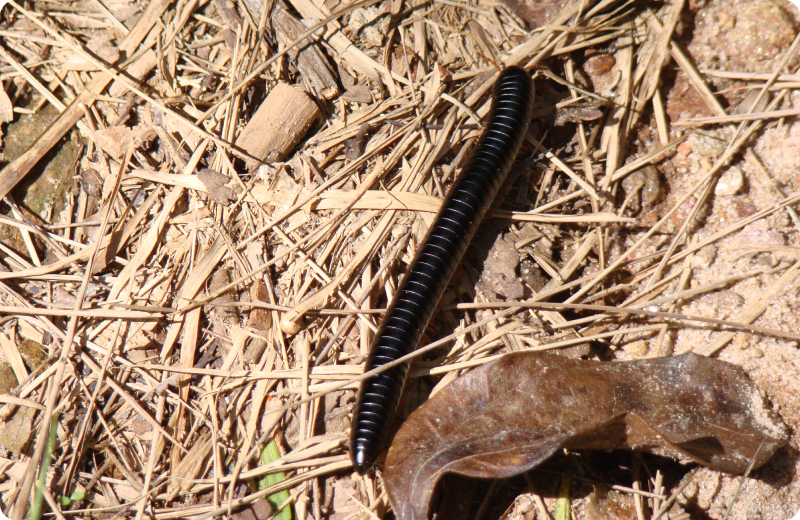
They play an important ecological role as decomposers, breaking down decaying plant material and contributing to nutrient recycling in the soil.
The term “centipede” translates to “hundred feet,” although centipedes do not have exactly 100 legs; the number varies by species, and they always possess an odd number of leg pairs. They are fast-moving, active predators that use venomous front appendages to subdue their prey. Some centipede species have relatively long lifespans for arthropods, living up to five or six years. Due to their limited ability to retain moisture, centipedes require damp habitats and are commonly found in moist environments.
The term “millipede” is derived from Latin, meaning “thousand feet,” although no known species possesses anywhere near that number of legs. Millipedes are among the oldest known terrestrial animals, with prehistoric forms dating back hundreds of millions of years. They play an important ecological role as decomposers, breaking down decaying plant material and contributing to nutrient recycling in the soil. Millipedes typically thrive in moist environments and favor dark, sheltered locations.
Visit the santera Pest Library to learn how to identify and control every pests.
Millipedes are mostly detritivores: they eat dead plant material, leaf litter, and rotting wood. They often hide in the ground,
Read MoreCentipedes are nocturnal, fast-moving predators. They often hunt insects, spiders, worms, and some larger species can take small vertebrates. They
Read More