Protect your home or business from rodents by learning to identify, prevent, and control these destructive, disease-carrying pests.

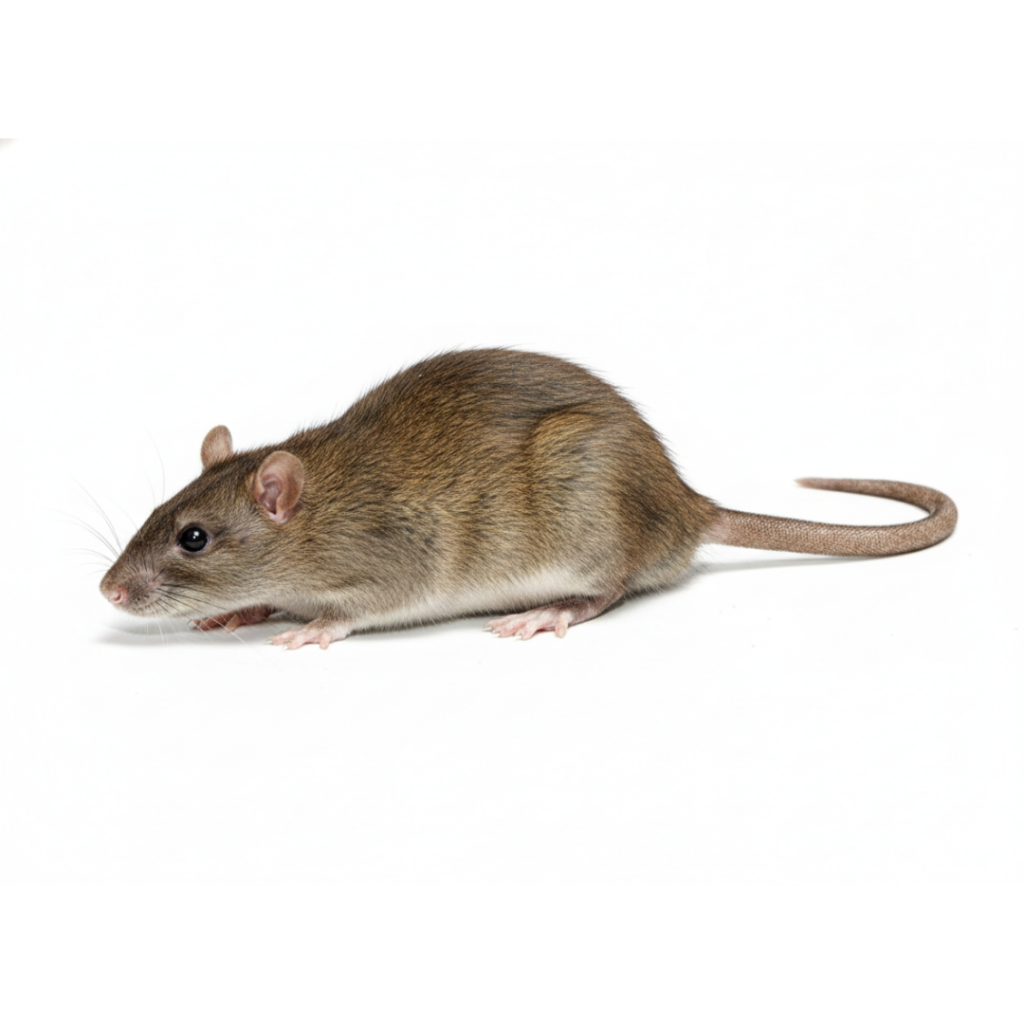
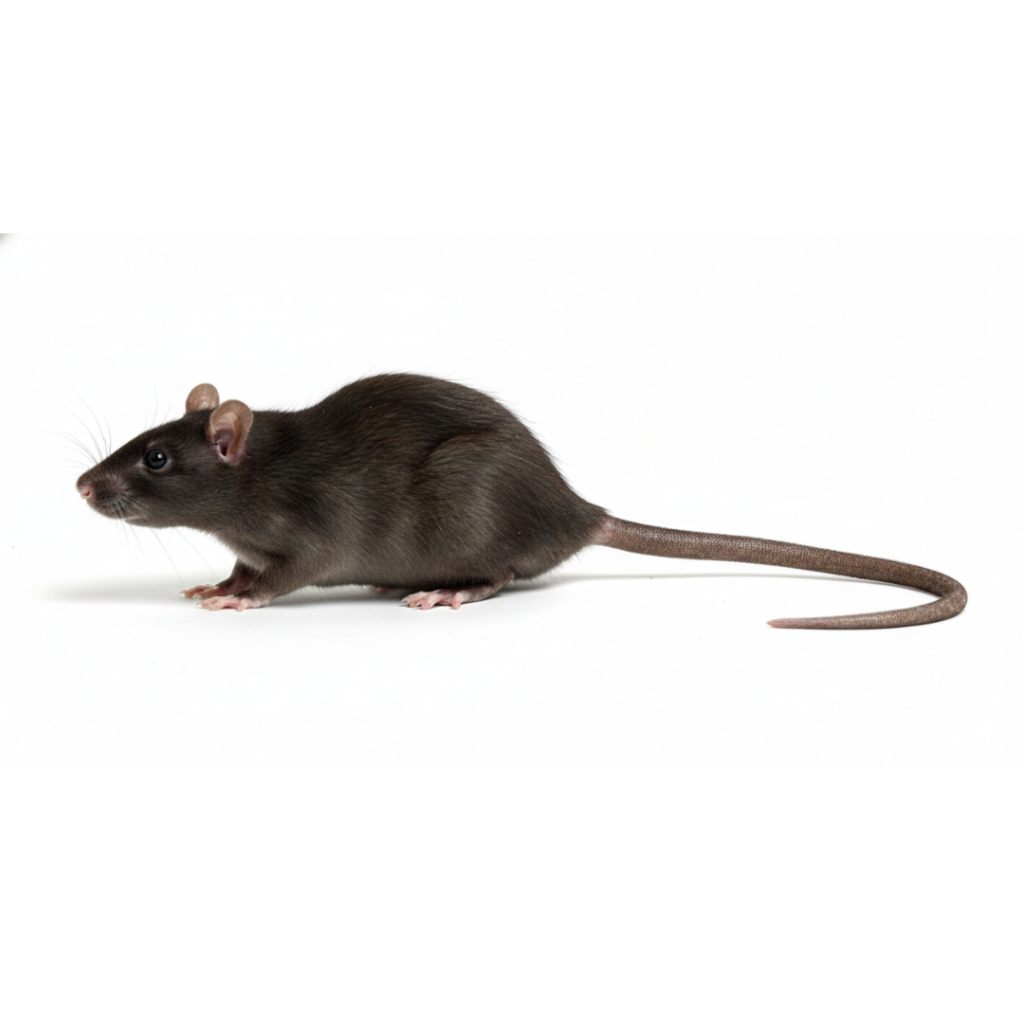
Mice and rats are small mammals characterised by their sharp incisors, long tails, and agile movements.
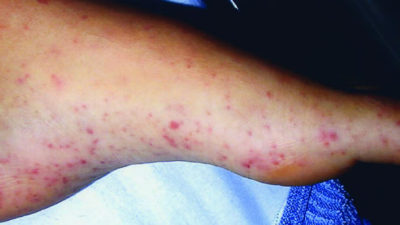
Mus musculus
How Santera Helps Get Rid of Rodents
Eliminating mice and rats requires an integrated pest management approach combining inspection, sanitation, exclusion, and control. Santera professionals identify species, locate nesting areas, and apply safe and effective trapping and baiting methods.
Each property requires a customized plan to prevent rodent re-entry, supported by ongoing monitoring and maintenance.
They seek food, water, and shelter — especially during colder months or after nearby construction disturbs their nests.
Yes. They contaminate food, spread diseases (like leptospirosis and salmonellosis), and can cause property damage by gnawing on wires, insulation, and structures.
Keeping areas clean, sealing entry points, and storing food securely help, but professional pest control ensures complete elimination and prevention.
A pair of mice can produce up to 60 offspring per year, while rats can have 6–12 pups per litter multiple times annually.
Unsealed entry points, leftover food sources, or improper waste management attract the rodents repeatedly. That is why regular inspections and follow-up treatments are essential.

Understanding rodent behaviour helps you take proactive steps to prevent infestations.
Rodents are omnivores, feeding on grains, fruits, meat, and garbage. They gnaw constantly to keep their teeth from overgrowing.
They nest in walls, attics, basements, behind appliances, and storage boxes — anywhere warm and close to food sources.
Newborn → Juvenile → Adult. Mice mature in about 6 weeks; rats take about 8–10 weeks.
Rodents can survive on minimal food and water, squeezing through gaps as small as 6 mm (mice) or 12 mm (rats).
Visit the santera Pest Library to learn how to identify and control every pests.
They chew wires (causing fire risks), gnaw furniture, and contaminate food. Signs include droppings, gnaw marks, grease trails, and scratching
Common nesting sites include wall voids, ceilings, basements, and near food storage. Spotting droppings or hearing nocturnal movement often indicates