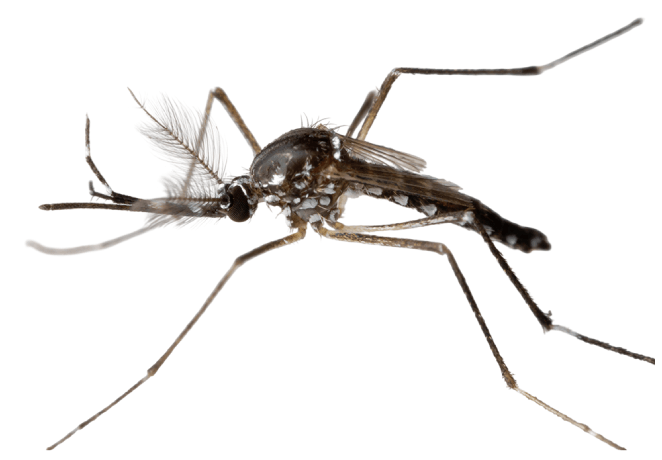
Protect your home or business from mosquitoes by learning how to identify, prevent, and control these buzzing, blood-feeding pests.
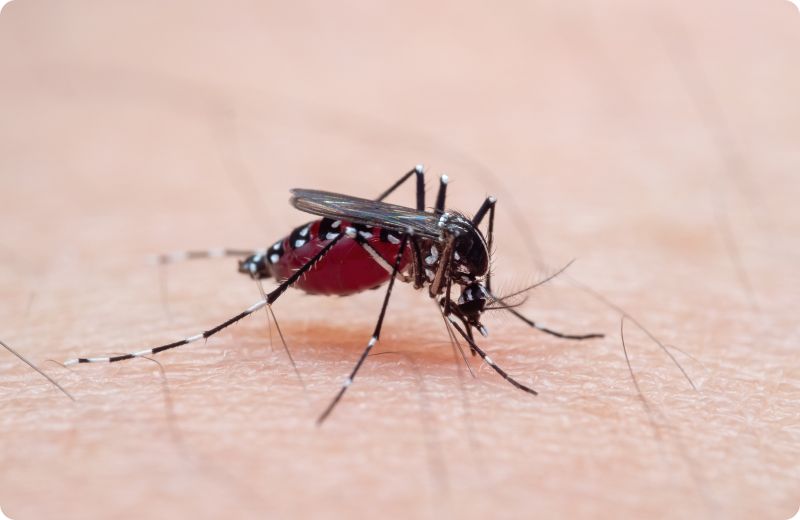
Adult mosquitoes are slender, delicate insects with long legs and a pair of scaled wings. They range from 3 to 6 mm in length. Females have elongated mouthparts (proboscis) used for piercing skin and feeding on blood, while males typically feed on nectar.
Mosquitoes rest in dark, humid areas like under furniture, behind curtains, or near standing water sources such as ponds, drains, and flower pots. Most species are active at dawn and dusk.

Family: Culicidae
How Santera Helps Get Rid of Mosquitoes
Santera combats mosquitoes by addressing the problem at its source. Experts identify breeding sites, apply targeted larvicidal and adult treatments, and implement preventive barriers. This proactive approach ensures lasting relief and a safer, mosquito-free environment.
They are attracted to body heat, carbon dioxide, and moisture. Open doors, windows, and water sources invite them indoors.
Yes. Mosquito bites can cause itching, allergic reactions, and transmit diseases like malaria, dengue, and chikungunya.
Yes. Eliminating standing water, using mosquito nets, citronella candles, and planting repellant herbs like lemongrass can help, though professional treatment is often needed for complete control.
Adult mosquitoes live about 2–4 weeks, but their eggs can survive for months in dry conditions until exposed to water.
Untreated breeding sites or stagnant water can lead to recurring infestations. Continuous monitoring and maintenance are key.
The more you know about mosquitoes, the better you can protect your space. Here are quick facts to guide you:
Only female mosquitoes feed on blood; males feed on nectar. They’re most active during dawn and dusk.
They lay eggs in standing water—like flowerpots, gutters, birdbaths, and even bottle caps filled with rainwater.
Egg → Larva → Pupa → Adult. The cycle completes in 7–10 days under favorable conditions.
Mosquitoes thrive in warm, humid environments and can reproduce rapidly in stagnant water sources.
They detect humans through body heat, odor, and carbon dioxide. They’re weak fliers but extremely persistent.
Visit the santera Pest Library to learn how to identify and control every pests.
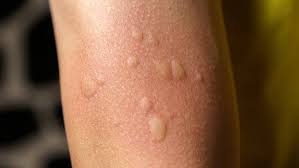
Mosquito bites appear as small, itchy red bumps. Reactions vary—some experience swelling or allergic irritation. Avoid scratching and use anti-itch
They breed in any stagnant water source. Regularly empty containers, buckets, and plant trays to stop larvae from developing.