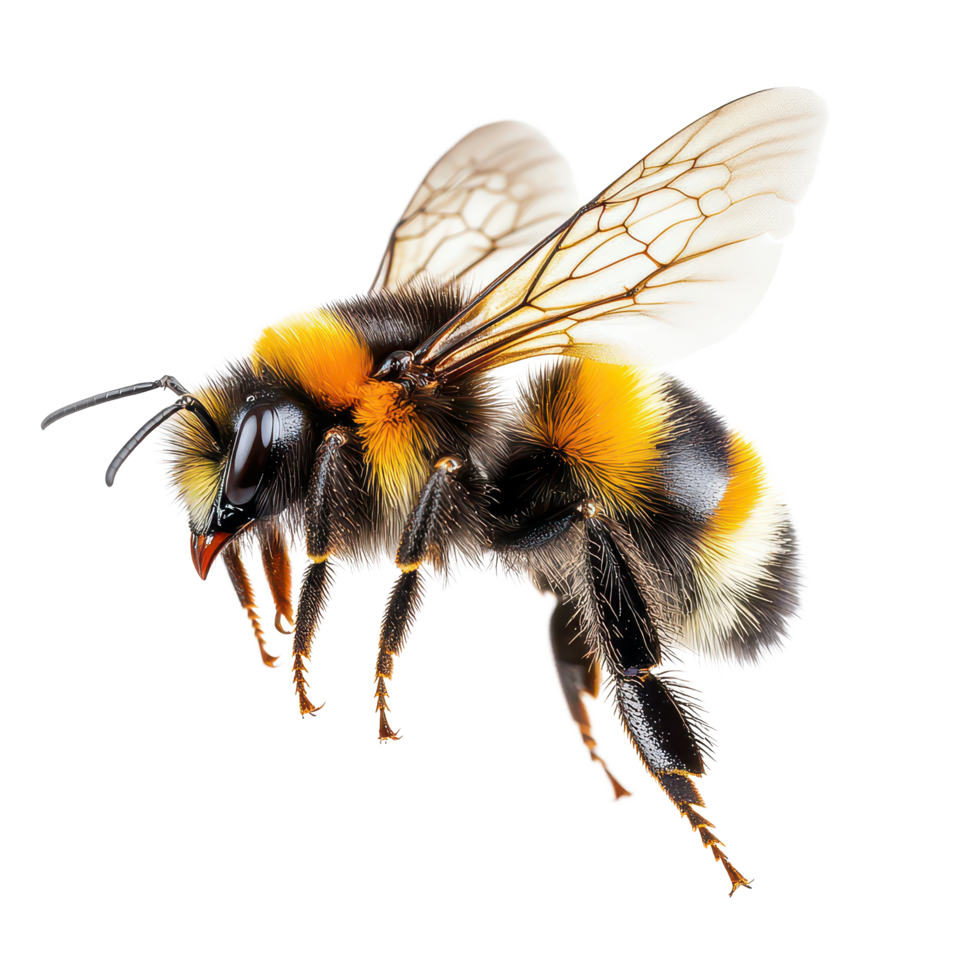
Protect your home, garden, or business from bees by learning how to identify, prevent, and control these buzzing pollinators when they become a problem.
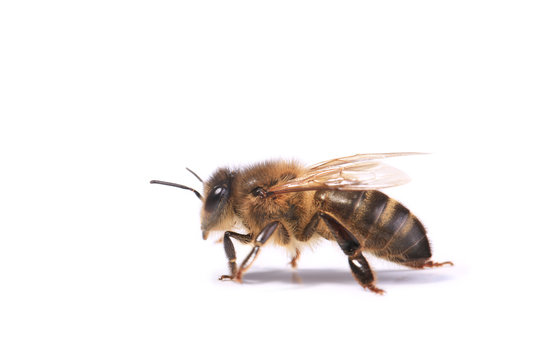
Bees are flying insects with fuzzy, yellow-and-black bodies, two pairs of wings, and antennae. They play a vital role in pollination, but can become a concern when nesting near people. Most species are non-aggressive but may sting if disturbed.

Family: Apidae
How Santera Helps Get Rid of Bees
Removing bees safely requires the right balance between pest control and environmental protection. Santera professionals are trained to identify bee species, locate nests, and apply eco-friendly removal or relocation methods.
Since every property and infestation is unique, Santera’s experts design custom solutions to prevent re-nesting while protecting pollinator populations.
They are attracted to flowering plants, sweet scents, open trash, and sheltered nesting spots such as wall cavities or hollow trees.
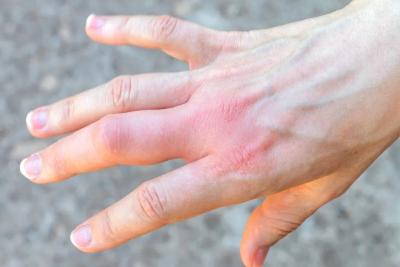
Bees usually sting only in defense. However, multiple stings or allergic reactions can be serious and require medical attention.
Avoid sweet-smelling sprays, seal wall openings, and remove old nests. But for established hives, professional relocation is the safest option.
Yes, if pheromone traces or nest residues remain. Santera ensures complete removal and sanitization to prevent re-infestation.
Bees are fuzzy and feed on nectar; wasps are smoother, more aggressive, and often eat other insects.
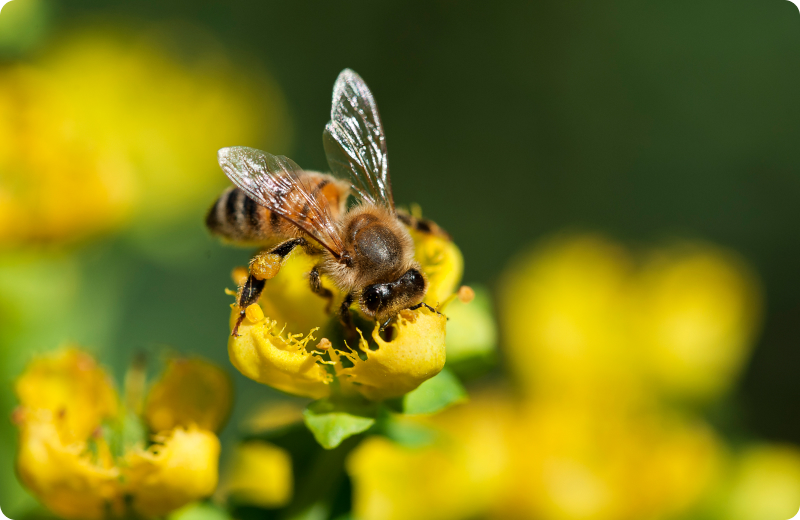
The more you know about bees, the better you can manage their presence safely and effectively.
Bees feed on nectar and pollen, helping pollinate plants and crops — an essential part of the ecosystem.
Honey bees live in hives, bumblebees in ground nests, and carpenter bees in wooden structures.
Egg → Larva → Pupa → Adult. The queen bee lays eggs that develop into workers, drones, or new queens.
Bees thrive in warm weather and can survive mild winters in sheltered hives.
Most bees are social and live in colonies, while carpenter bees are solitary. They defend their nests if disturbed.
Visit the santera Pest Library to learn how to identify and control every pests.
Bee stings cause instant pain and swelling but are rarely dangerous unless allergic reactions occur. Clean the area and apply
Bees often nest in trees, wall voids, roofs, or garden sheds. Spotting wax combs or hearing constant buzzing indicates a