
Protect your home or business from stingless bee infestations by learning how to identify, manage, and prevent them safely and effectively.
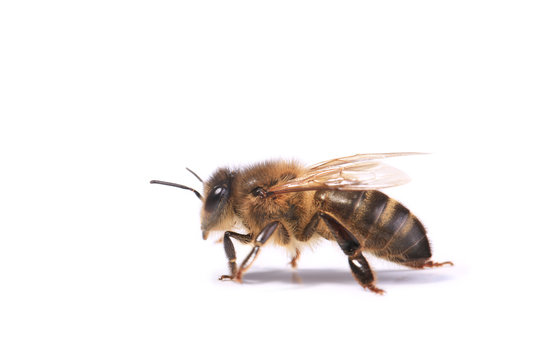
Santera Pros are trained to identify and manage stingless bee colonies with eco-friendly relocation and hive management methods. Since these bees are harmless and vital for pollination, Santera focuses on preserving colonies while ensuring they’re relocated from sensitive areas.
Santera provides safe and thorough hive removal, seals entry points to prevent re-infestation, and offers ongoing monitoring to ensure lasting protection. Our expert team makes sure your space stays secure and completely pest-free.
They thrive in warm, tropical regions and often build nests inside hollow trees, wall cavities, logs, or earthen structures.
Yes. Stingless bees cannot sting but may defend their colony by biting or using sticky resin when disturbed.
Stingless bees are small, dark-colored bees ranging from 2 to 5 mm in length. They have slender bodies and less noticeable hair compared to honey bees.
They feed on nectar and pollen and are known for producing small amounts of medicinal honey, often called “meliponine honey.”
Seal cracks in walls, tree hollows, or gaps where colonies may nest. Avoid leaving sugary liquids or fruit residue outdoors, as they could attract pests.
Stingless bees live in highly social colonies with thousands of individuals. Though harmless, they may swarm near nesting sites and build hives in cavities near human areas.
A queen lays eggs continuously, supported by worker bees who care for the brood and maintain the waxy nest. Colonies expand steadily throughout the year in warm climates.


