Protect your home or business from fleas by learning how to identify, prevent, and control these fast-moving, blood-feeding pests.
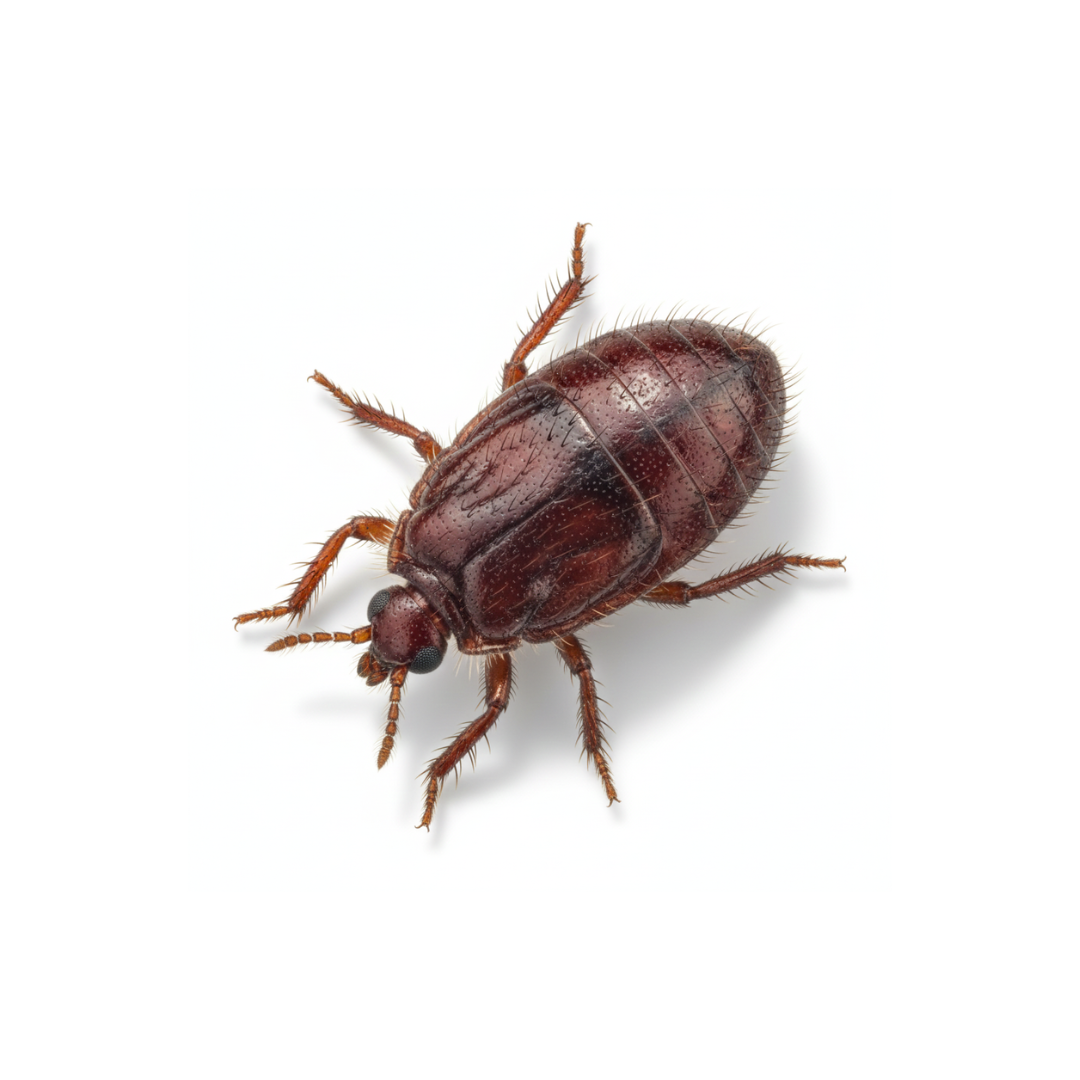
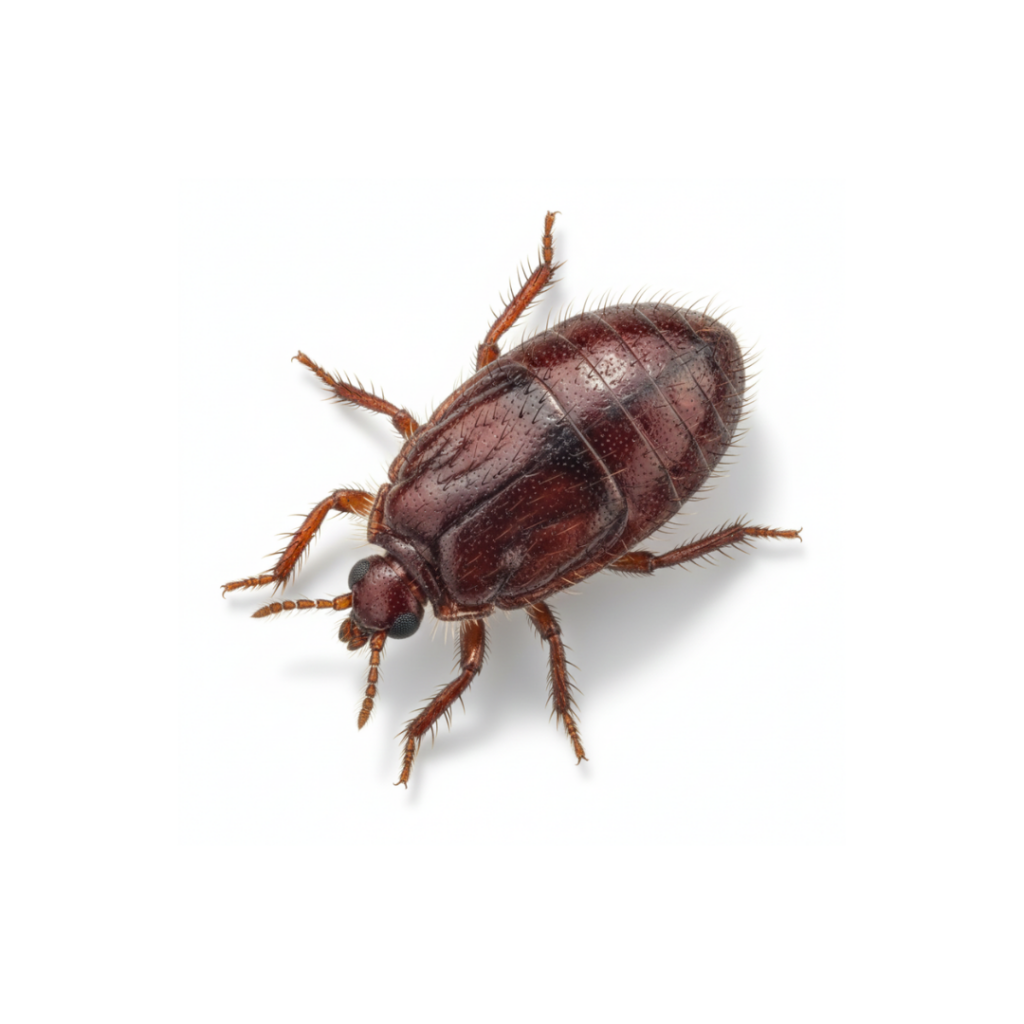
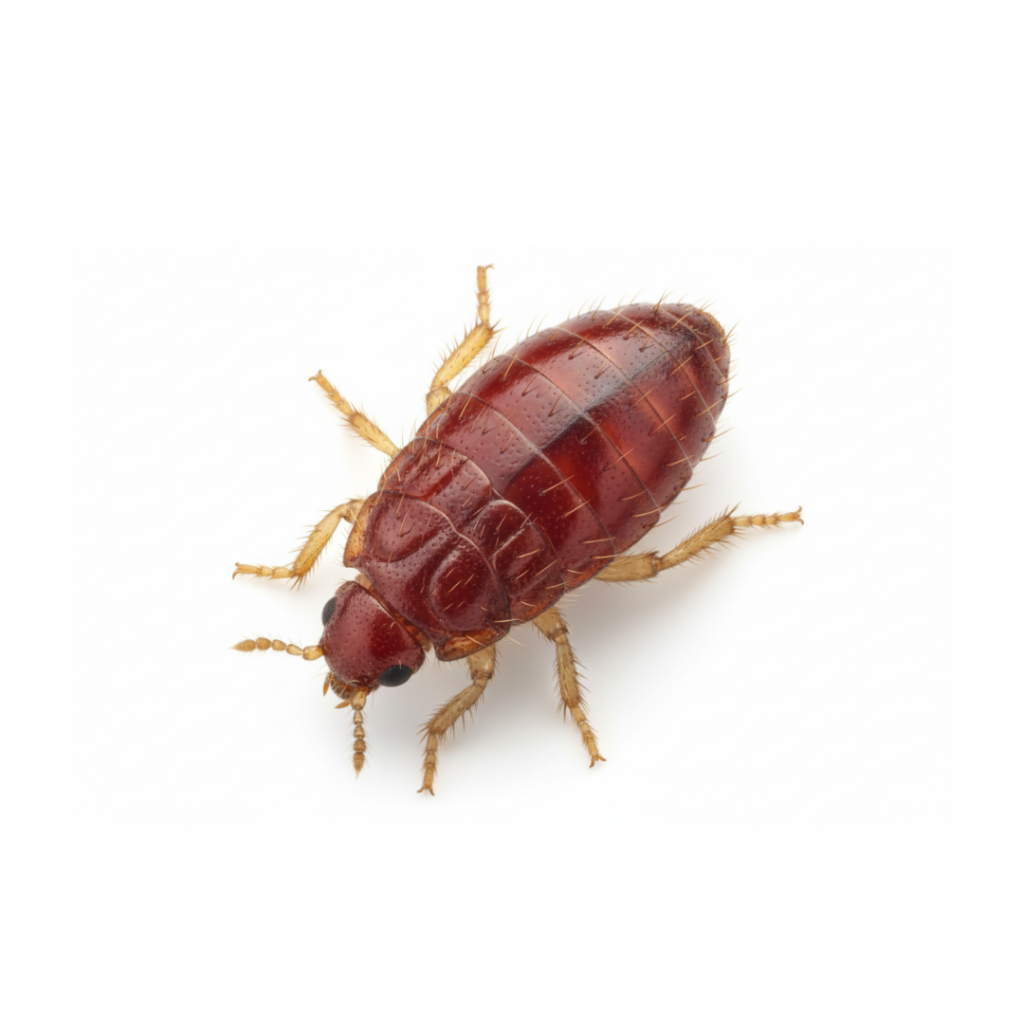
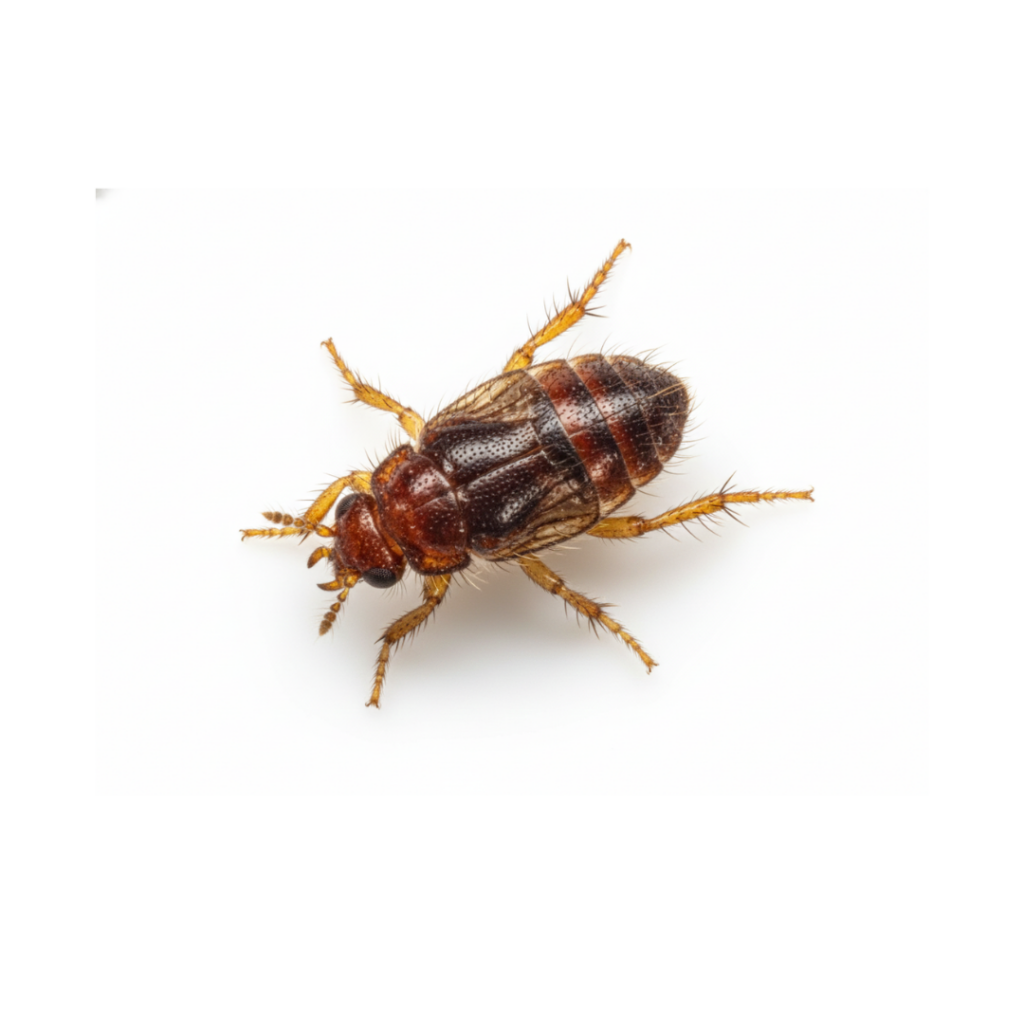
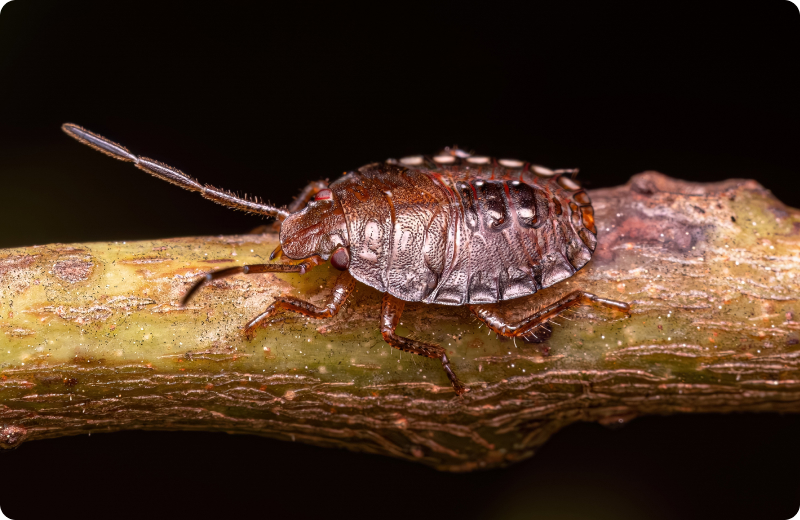
Fleas are tiny, wingless insects measuring 1.5–3.3 mm long. They are dark brown, flattened sideways, and have strong hind legs that allow them to jump long distances. Larvae are pale and worm-like, found in carpets, bedding, or floor cracks.
Fleas thrive in warm, humid environments and are commonly found where pets rest — carpets, furniture, and pet bedding.
Family: Pulicidae
Santera professionals target both pets and environments for complete flea control. Our experts locate breeding sites, apply safe insecticides to carpets, furniture, and pet areas, and coordinate with pet owners for lasting results.
Understanding flea life cycles helps ensure eggs, larvae, and adults are all eliminated.
They enter through pets or wildlife and quickly infest carpets, bedding, and upholstery.
Yes. They cause itching, allergic reactions, and can transmit tapeworms and bacterial diseases.
Yes, adult fleas can survive for weeks without feeding; eggs and larvae can remain dormant for months.
Vacuuming, hot washing pet bedding, and regular grooming can help, but professional treatment ensures full elimination.
Hidden eggs or pupae may hatch later. Repeated treatments and cleaning are essential.
Learn All About Fleas
Feed exclusively on blood from pets or humans.
Carpets, rugs, bedding, and cracks anywhere pets spend time.
Egg → Larva → Pupa → Adult. A full cycle can occur in 2–3 weeks under ideal conditions.
Can live months without a host; eggs may remain dormant until triggered by warmth or vibration.
Excellent jumpers; cannot fly but spread rapidly between hosts and environments.
Visit the santera Pest Library to learn how to identify and control every pests.
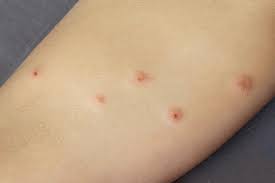
Appear as small red bumps, usually around the ankles and legs. It also causes itching and irritation.
Common in carpets, upholstery, and outdoor shady areas where pets play.