
Protect your home or business from one of the most venomous scorpion species in the world by learning how to identify, control, and prevent them effectively.
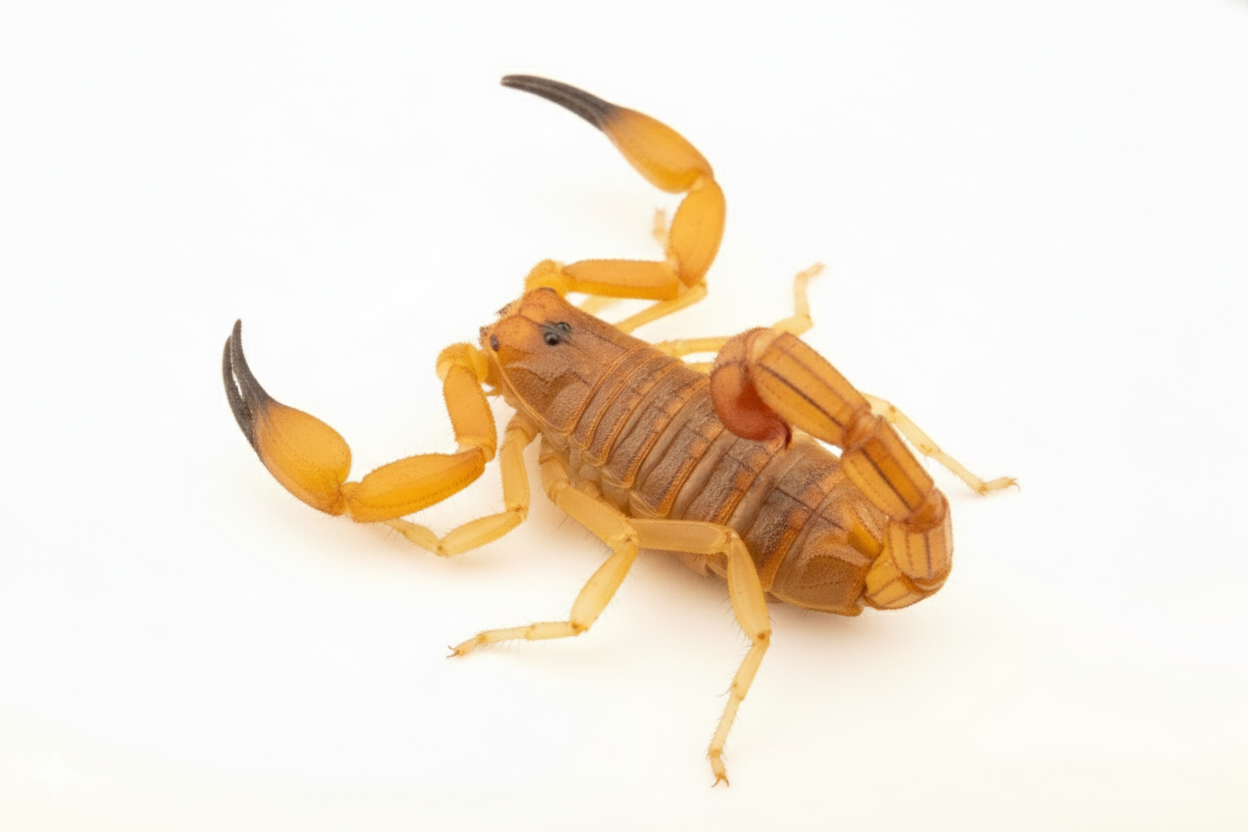
Santera Pros are specially trained to detect and manage Indian red scorpion infestations using advanced, low-toxicity control methods. These scorpions pose serious health risks due to their potent venom and tendency to enter human dwellings during monsoon or dry heat spells.
The experts at Santera inspect potential hiding zones, apply safe treatments, and create preventive barriers around the property. Our team ensures a complete, long-term strategy that identifies infestations early, implements corrective actions, and continuously monitors for future activity.
They are widely distributed across India, Sri Lanka, Nepal, and eastern Pakistan, especially in coastal, semi-arid, and rural regions. They often hide under stones, in debris, among logs, and in cracks near human habitation.
Yes - this species is considered one of the deadliest scorpions in the world. Their venom can cause severe pain, vomiting, breathing difficulty, and in rare cases, cardiac complications. Immediate medical care is essential after a sting.
The Indian red scorpion is medium-sized, measuring 6–9 cm, with a reddish-brown body, thick tail, and slender pincers. The stinger at the tail tip is dark and slightly curved. Under UV light, it glows bright blue-green, like other scorpion species.
These scorpions are carnivorous, feeding mainly on insects, spiders, and small invertebrates. They use their pincers to capture prey and deliver venom through their stingers to immobilise it.
Keep your surroundings clean and free from clutter. Remove rocks, logs, and stored materials near walls. Seal openings, especially near floors and doors, and avoid leaving footwear outdoors at night. Regular pest control checks are highly recommended in rural and coastal zones.
Indian red scorpions are nocturnal and highly secretive, preferring to hide during the day and hunt at night. They often seek dry, warm shelter during the monsoon season and are occasionally found in bathrooms, shoes, or bedding.


