
 Weavers Web
  October 13,2026
  Comments (0)
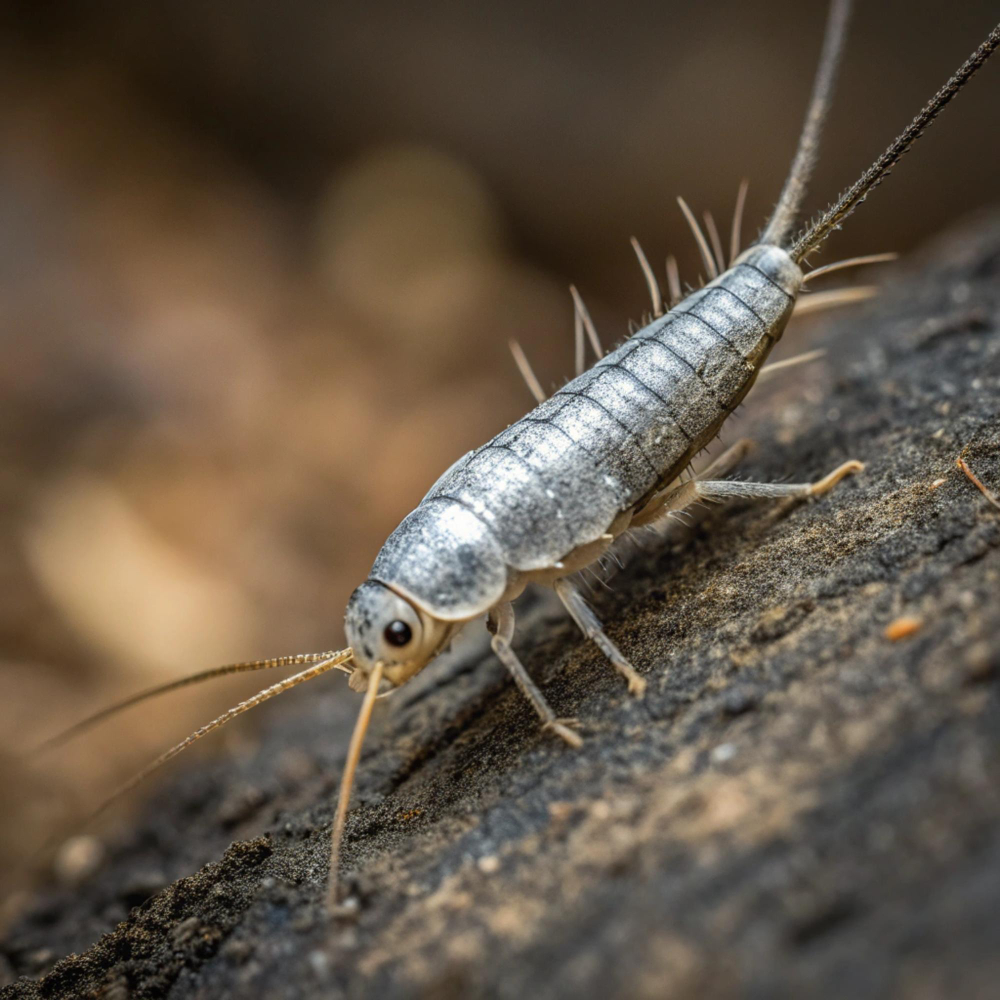
 Silverfish infestations are often assumed to be the result of neglect or poor hygiene. In reality, some of the most severe infestations in Dubai and Abu Dhabi occur in properties that are brand new—or freshly renovated.
For pest control professionals, this pattern is well known. A newly handed-over apartment, a recently refurbished villa, or a commercial fit-out completed to the highest standards can still harbour an advanced silverfish infestation within weeks of occupation. The home looks pristine. Everything smells new. Yet silverfish begin appearing in bathrooms, wardrobes, or storage cabinets without warning.
This contradiction is not accidental. Renovation and fit-out activity fundamentally alters a building’s internal environment in ways that favour silverfish survival and spread.
Renovation work disrupts structures that have remained sealed for years. Walls are opened, tiles are removed, plumbing lines are adjusted, and ceilings are modified. During this process, hidden voids that previously contained dormant pests are exposed—and then sealed again.
Construction materials themselves also contribute to the problem. Adhesives, wallpaper glue, gypsum board, cardboard packaging, and wood-based materials provide abundant food sources for silverfish. Once sealed behind new finishes, these materials remain undisturbed and accessible only to pests.
In UAE properties, renovation timelines are often compressed, leaving little time for moisture to fully dissipate before occupation. This residual humidity, combined with newly sealed spaces, creates ideal nesting zones.
In Dubai and Abu Dhabi, new residential handovers are frequent, particularly in high-density developments. While properties are delivered clean, they are not always pest-free.
During construction, silverfish may enter through stored materials, temporary plumbing connections, or shared service areas. Because the building remains largely unoccupied during this phase, infestations develop unnoticed. Once residents move in and activate water systems and air-conditioning, environmental conditions stabilise—and silverfish activity increases.
Homeowners often assume the infestation was introduced after move-in, when in fact it existed long before occupation.
Fit-outs involve extensive interior work, particularly in kitchens, bathrooms, and storage areas—the exact spaces silverfish prefer. Cabinets are installed against walls, sealing in moisture. Skirting boards create narrow gaps that are difficult to access later. False ceilings conceal service lines and provide undisturbed nesting zones.
Once these elements are in place, silverfish populations become extremely difficult to reach without professional intervention. Surface cleaning and sprays cannot penetrate behind fixed installations, allowing infestations to persist invisibly.
This is why silverfish are often first seen weeks or months after a renovation is completed.
Because the property is new or recently refurbished, residents frequently dismiss silverfish sightings as isolated incidents. The assumption is that a clean, unused home cannot support an infestation.
This belief delays professional inspection. In the meantime, silverfish spread from utility areas into wardrobes, storage cabinets, and paper-based items. Damage occurs gradually, often discovered only when stored belongings are accessed later.
By the time the infestation is taken seriously, treatment requires a far more comprehensive approach.
Post-renovation infestations are uniquely resistant to DIY control. Nesting zones are sealed behind new finishes, making them inaccessible to household products. Sprays applied to visible areas do nothing to address populations hidden behind cabinetry or inside wall voids.
Additionally, chemical misuse near new materials can cause staining or damage, discouraging thorough application. Home remedies provide no residual protection and do not address the environmental conditions that allow silverfish to thrive.
Without professional equipment and access methods, effective control is impossible.
Professional pest control after renovation begins with understanding how the property has changed. Technicians assess newly installed materials, moisture retention points, and sealed voids that may harbour pests.
Treatment focuses on precision rather than visibility. Residual insecticides are applied through targeted access points to reach nesting zones without damaging finishes. Moisture-prone areas are treated preventively, and entry points created during renovation are sealed properly.
Follow-up inspections ensure that emerging populations are eliminated before they become established again.
(Only bullet-point section as requested)
In a newly renovated Palm Jumeirah apartment, silverfish sightings began less than a month after handover. The property had not yet been fully occupied, and cleaning had been minimal.
Professional inspection revealed silverfish activity behind newly installed bathroom cabinetry, likely introduced during the fit-out phase. Moisture from recently connected plumbing had created ideal conditions behind sealed panels.
After targeted treatment and follow-up, activity ceased completely. Early intervention prevented damage to furnishings and avoided the need for invasive access later.
Professional pest control is often viewed as a reactive service. In reality, it is most effective when integrated into renovation and handover processes.
Pre-occupation treatments eliminate pests before they adapt to new environments. Preventive inspections identify vulnerabilities created during construction. Addressing these issues early costs significantly less than treating established infestations later.
For developers, landlords, and homeowners, this approach protects property value and reduces post-handover complaints.
Professional inspection should be arranged immediately if silverfish are seen shortly after renovation, if activity appears in multiple new areas, or if damage to paper or fabrics is noticed. These signs indicate an infestation linked to construction activity that will not resolve on its own.
Prompt professional treatment limits spread and preserves newly finished interiors.
In Dubai and Abu Dhabi, silverfish infestations are increasingly linked to renovation and construction activity. Clean surfaces and new finishes do not prevent pests—they often conceal them.
Professional pest control is the only reliable way to address silverfish infestations in renovated and newly handed-over properties. Early action protects investments, prevents damage, and ensures that new spaces remain truly livable.
October 13,2026

October 13,2026



Add a comment
By using form u agree with the message sorage, you can contact us directly now