
 Weavers Web
  October 13,2026
  Comments (0)
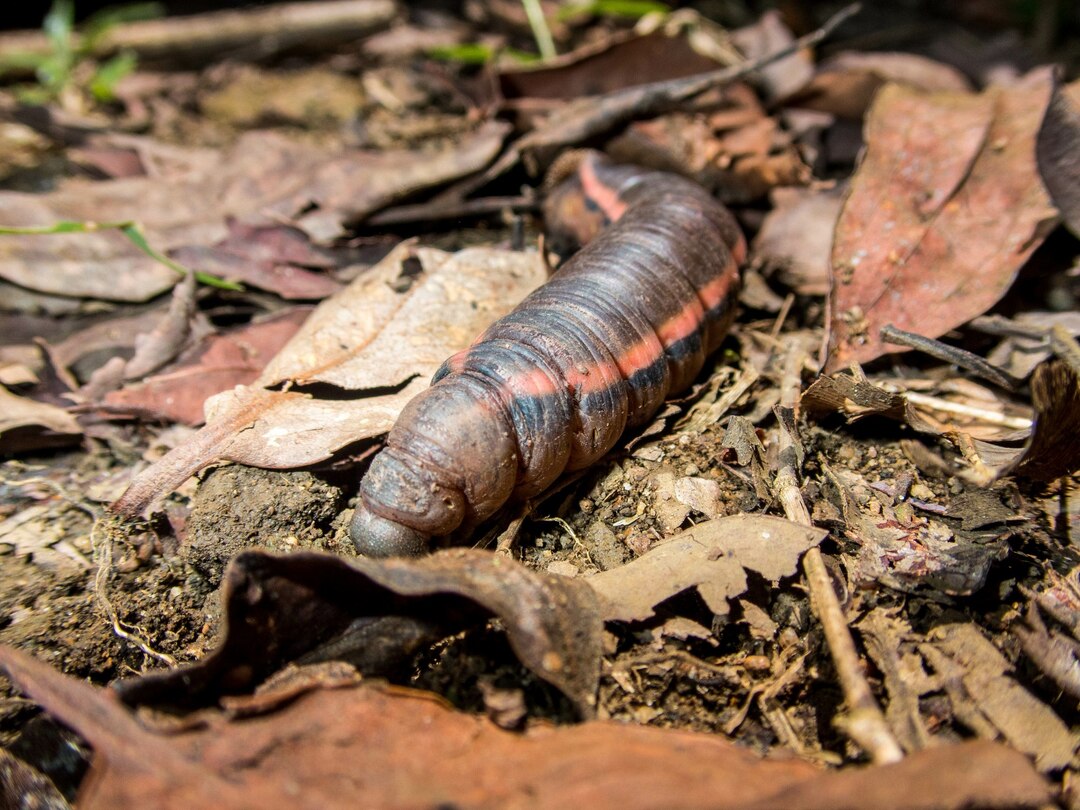
 When centipedes and millipedes appear inside homes, the immediate assumption is often moisture, cleanliness, or outdoor landscaping. However, in Dubai and Abu Dhabi—where modern architecture dominates—building design itself plays a surprisingly significant role in why these pests appear indoors.
This blog explores a rarely discussed but critical perspective: how construction methods, materials, and architectural features in contemporary UAE buildings unintentionally create pathways and micro-habitats for centipedes and millipedes—without homeowners realizing it.
High-rise towers, gated communities, and luxury villas in the UAE are designed for aesthetics, energy efficiency, and rapid construction. Pest resistance, especially for non-invasive arthropods like centipedes and millipedes, is rarely a design priority.
As a result, even newly constructed properties may include:
These conditions allow pests to coexist with buildings rather than “invade” them in the traditional sense.
A Client Perspective
“Our apartment was new, so we couldn’t understand how centipedes appeared. Santera explained it wasn’t dirt or negligence—it was the way moisture was collecting inside the building design. That insight made all the difference.”
— Omar S., Business Bay, Dubai
Modern buildings rely heavily on expansion joints to accommodate temperature fluctuations. While essential for structural integrity, these joints can unintentionally:
Centipedes and millipedes use these concealed pathways to travel between floors, walls, and service areas without being seen.
Architectural features meant to conceal wiring, plumbing, and HVAC systems can also create ideal conditions for centipedes and millipedes.
Common issues include:
These areas remain undisturbed for long periods, allowing pests to remain hidden until they emerge into living spaces.
Modern bathrooms and kitchens often prioritize minimalism and sleek finishes. However, this design approach can lead to:
Centipedes and millipedes are attracted to these micro-environments, especially when moisture persists below the visible surface.
Many UAE residences blend indoor and outdoor living through:
While visually appealing, these features often sit directly against structural elements. Over time, soil contact and irrigation can allow moisture and organic matter to migrate into the building envelope—creating indirect access for millipedes and centipedes.
Architectural awareness plays a key role in long-term prevention:
These steps address the design-level causes, not just surface symptoms.
In architecturally complex buildings, surface treatments may temporarily reduce sightings but rarely solve the issue.
This is because:
Without addressing the architectural context, treatments only provide short-term relief.
Professional evaluation is recommended when:
In these cases, pest control must be combined with structural insight, not just extermination.
Centipedes and millipedes are not always a sign of neglect or infestation. In many UAE homes, their presence is a byproduct of modern architectural design interacting with climate and moisture.
Understanding this connection empowers homeowners to respond intelligently—focusing on structural awareness, maintenance, and informed intervention rather than unnecessary alarm.
Santera Pest Controlspecialises in identifying design-related pest activity and delivering solutions that align with the realities of modern UAE buildings—protecting both comfort and property value.
October 13,2026
October 13,2026


Add a comment
By using form u agree with the message sorage, you can contact us directly now