
Protect your property from destructive subterranean termites by learning how to identify, prevent, and control them effectively.
Santera Pros specializes in identifying and eliminating subterranean termite infestations, focusing on colonies that build underground nests and invade through soil contact. Santera uses the established A.I.M. approach (Assess, Implement, Monitor) to manage termites. Their experts first detect any hidden termite activity within your residential or commercial structure. They then apply targeted soil and barrier treatments to eliminate the infestation. Finally, they design custom preventive strategies to ensure your building remains completely termite-free over the long term.
They thrive in moist soil environments and are often found beneath foundations, around wooden structures, or in areas with poor drainage. They build mud tubes to travel between their nests and food sources.
While they don’t bite or sting humans, they can cause significant structural damage by silently eating wood from the inside out, often going unnoticed until severe harm is done.
Subterranean termites require moisture and soil contact to survive, whereas drywood termites live entirely inside dry wood without soil contact.
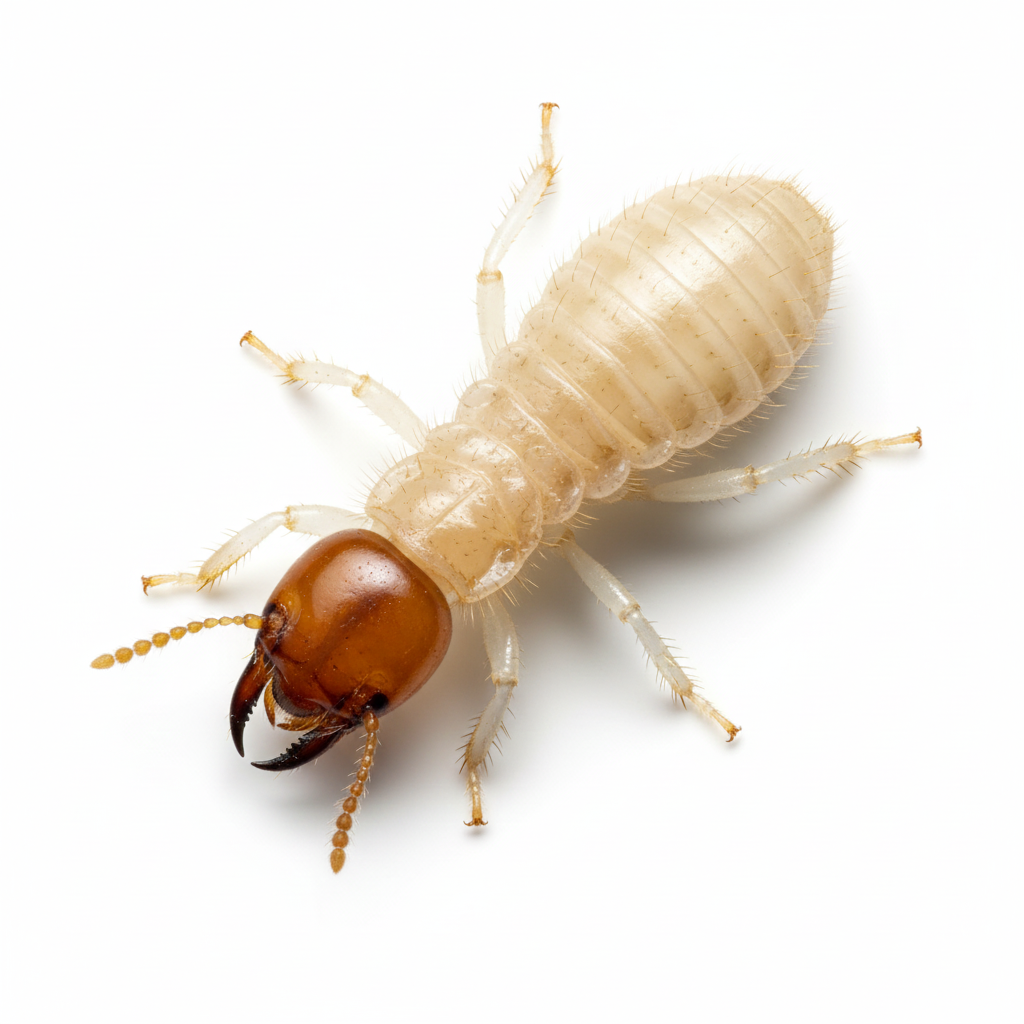
Subterranean termites are pale, soft-bodied insects about 4–6 mm long. Workers are creamy white, soldiers have larger heads with strong jaws, and swarmers (reproductive adults) are dark brown or black with wings.
They feed primarily on cellulose found in wood, paper, and other plant materials. As silent destroyers, they can hollow out wooden structures while leaving a thin surface layer intact.
Keep foundations dry and well-ventilated. Repair leaky pipes, seal foundation cracks, and avoid wood-to-soil contact. Regular termite inspections and soil treatments can prevent infestations.
These termites live in colonies underground and travel through mud tubes to access above-ground food sources. They are most active during warmer months and after rainfall.
A mature colony can contain thousands to millions of termites. Winged swarmers emerge seasonally to start new colonies. Queens can live for several years, producing eggs throughout their lifespan.


