
Protect your home or business from stored-product moths by learning how to identify them, understand their types, and control their presence effectively.
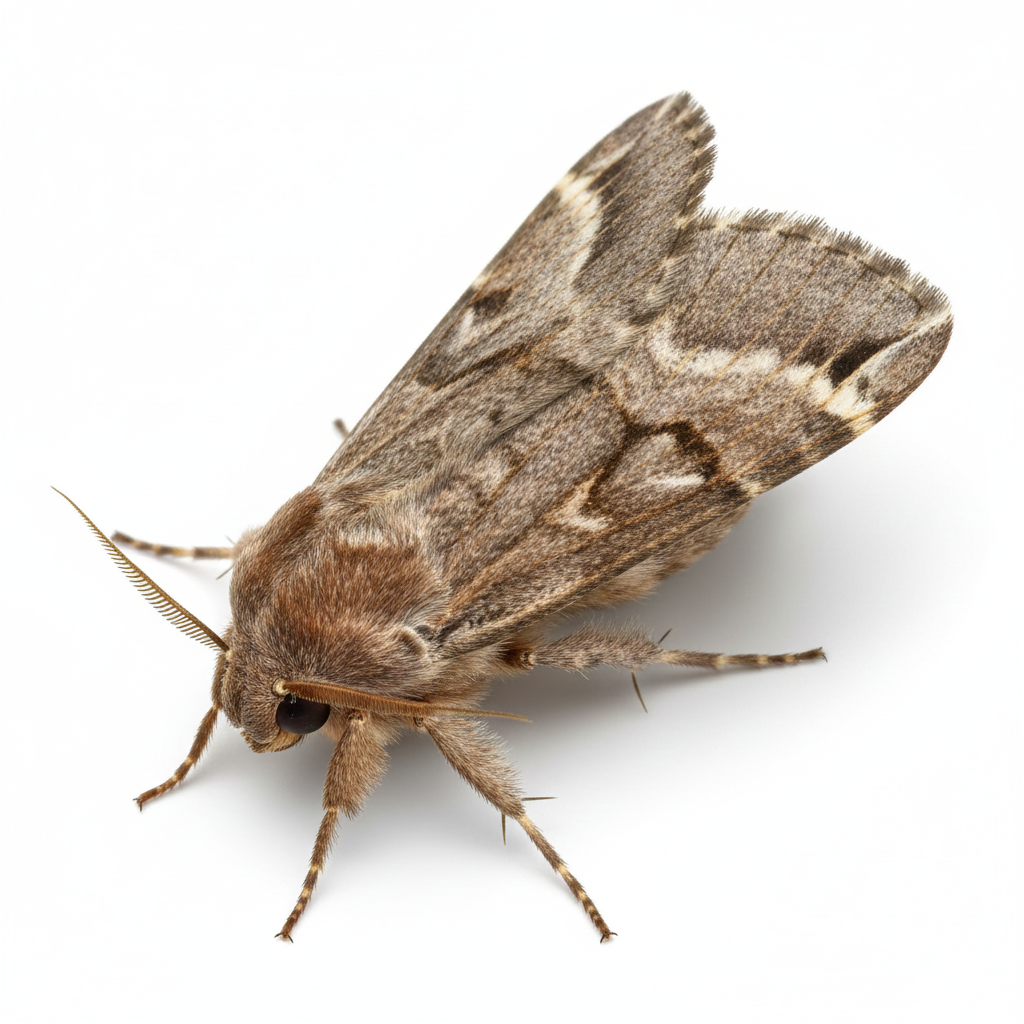
At Santera, we apply a tailored multi-step strategy to eliminate stored‐product moths and protect your food-storage areas for the long term. We begin by thoroughly inspecting your pantry, dry-goods storage zones, and packaging to identify the moth species present, locate infested items, and trace their pathways of entry or spread. We then assist you in implementing improved storage practices — transferring vulnerable items into sealed, pest-proof containers, discarding or quarantining infested stock, cleaning out shelves and storage areas thoroughly, and sealing cracks or gaps around walls and shelving that moth larvae or adults could exploit.
They are attracted to stored dried goods (grains, cereals, nuts, dried fruit, pet food, spices, flour) and often arrive via infested food items or enter through gaps in packaging or storage units.
They do not bite or sting humans or pets, but their larvae and webbing contaminate food, spoil stock, and pose a hygiene risk.
Yes by improving storage practices (airtight containers, inspecting goods), cleaning thoroughly, removing infested items, controlling humidity and minimising favourable conditions for them. But for persistent or large infestations, professional support (like Santera) is advisable.
Unless you address the source of infestation, the entry/hiding points, and the storage environment, the problem can persist or re-emerge. Monitoring and follow-up are key to prevent the entry of moths.
Look for larvae (“worms”) in packages of grains, cereal, dried fruits, and nuts; presence of silken webbing, threads, or cocoons inside food containers; small piles of frass (droppings) mixed with food dust.
Larvae may feed within loose grain or dried goods and then travel to walls, ceilings, or packaging seams to pupate. Adults are often noticed flying near ceilings or lights in pantries.
Females may lay 100-300 eggs on or near food; eggs hatch in a few days in warm conditions; larvae feed for weeks (or more, depending on temperature) before pupating; adult emergence completes the cycle in roughly 4-8 weeks under optimal conditions, and multiple generations may occur per year indoors.


