
Protect your home or business by learning how to identify, prevent, and control these large, slow-moving detritivores.
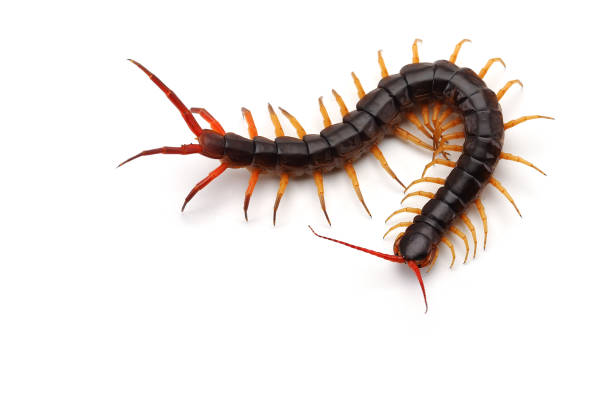
At Santera, we implement a structured, multi-step strategy to effectively manage and control giant African millipede activity. Our process begins with identifying potential entry points into the property and assessing environmental conditions—such as moist, sheltered areas—that may attract millipedes. We then reduce favorable habitats around the building by removing leaf litter, decaying wood near foundations, and mulch placed too close to walls, while also addressing drainage and moisture issues.
Finally, we carry out targeted control measures, including exterior perimeter treatments, sealing cracks and crevices, and implementing effective moisture management both indoors and outdoors to ensure long-term protection.
They are attracted to moisture, cool dark shelters, and decaying organic material. If the outdoor environment becomes unfavourable, or the building provides access and a suitable habitat, they may enter.
Generally, no. Giant African millipedes do not bite humans and are not venomous. However, they can secrete a foul-smelling fluid as a defence, which may irritate skin or eyes.
They primarily feed on dead or decaying plant matter (detritus) and are not known to eat fabrics, wood structure, or damage homes in the way some pests do.
Yes. You can do it by reducing moisture, removing decaying wood/debris near structures, sealing entry points, and ensuring good ventilation and dryness in basements or crawl spaces. If they persist, professional help (Santera) can provide more comprehensive control.
You can still see them because likely the ideal habitat (moist, sheltered), entry points, or external sources haven’t been fully addressed yet. Millipedes can wander in from gardens, mulch beds, or soil near foundations.
Giant African millipedes are among the largest millipede species in the world, growing up to 20–30 cm in length. They have long, cylindrical bodies composed of numerous segments, typically dark brown to black in color, with a smooth, glossy appearance. Each segment bears two pairs of short legs, giving them their characteristic slow, wave-like movement.
They are detritivores, feeding primarily on decaying plant material such as leaf litter, rotting wood, fruits, and other organic matter. By breaking down decomposing vegetation, they play a role in nutrient recycling within their environment.
To reduce the likelihood of giant African millipedes entering buildings, limit moisture around structures by improving drainage and fixing leaks. Remove leaf litter, decaying wood, and excess mulch near foundations, seal cracks and gaps in walls and doors, and reduce damp, sheltered areas that may serve as hiding spots.
Giant African millipedes prefer dark, moist environments and are most active at night or during periods of high humidity. They often shelter under logs, stones, or debris during the day and may wander into homes during wet weather. When disturbed, they may coil and release a defensive secretion that can stain surfaces or irritate skin.
Females lay eggs in soil or other moist, protected environments. The young hatch as smaller versions of adults and gradually develop additional body segments and legs as they mature. Giant African millipedes have relatively long lifespans, often living several years under favorable conditions.


