
Protect your property from seaside earwigs by understanding their habitats, appearance, and effective control measures.
Santera identifies coastal entry points and moisture-prone areas, applying targeted treatments and advising on moisture management to eliminate infestations safely and effectively.
No, they prefer coastal and outdoor areas but may wander inside seeking shelter.
No. They may pinch if disturbed, but are harmless.
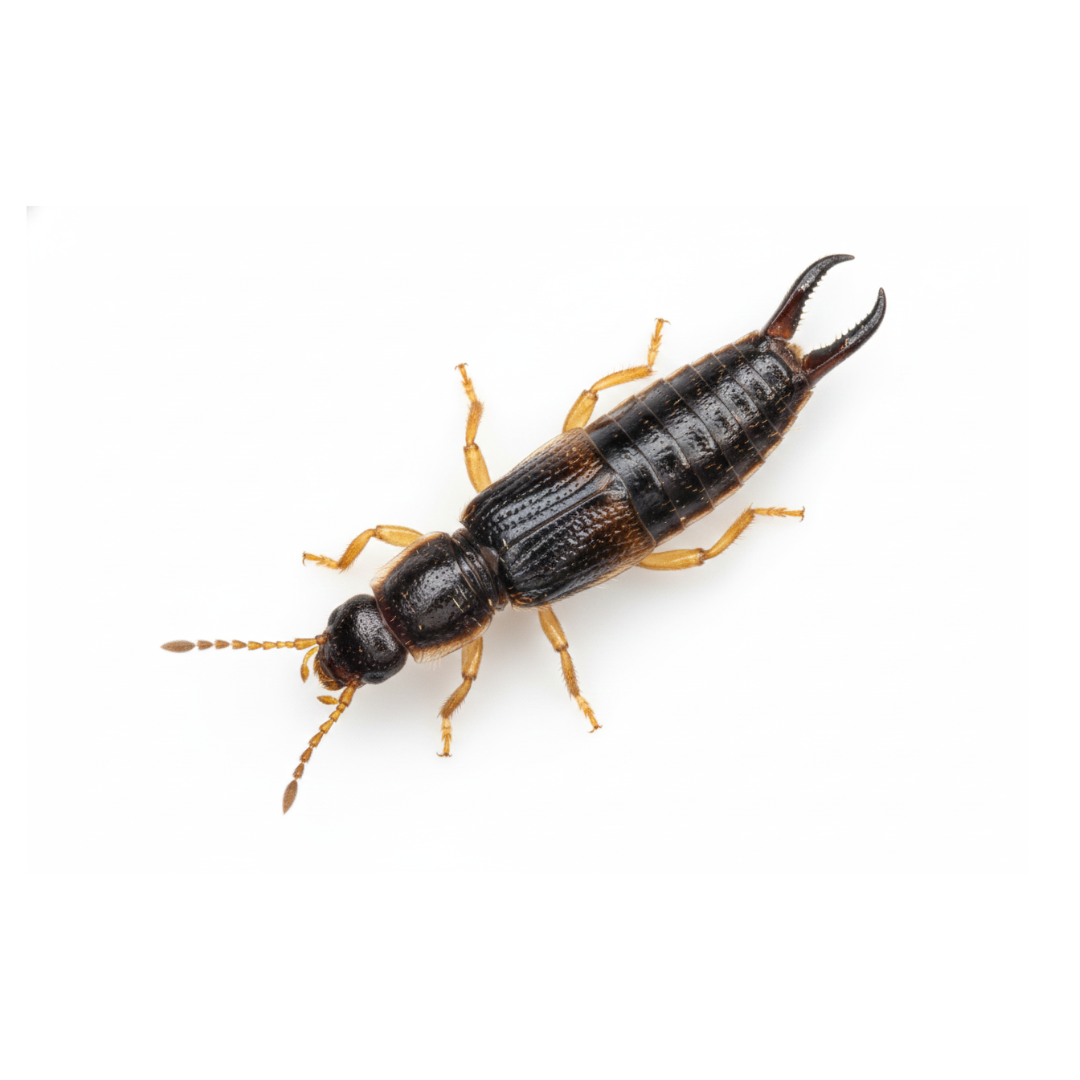
Seaside earwigs are medium-sized insects with elongated, flattened bodies typically dark brown to black in color. They have long antennae and distinctive forceps-like pincers at the end of the abdomen, which are more curved in males than in females. Adults usually measure about 12–20 mm in length.
They are omnivorous scavengers, feeding on decaying plant material, algae, small insects, and organic debris commonly found in coastal environments. They may also consume tender plant matter when other food sources are limited.
To discourage seaside earwigs, reduce excess moisture around buildings, improve drainage, and remove seaweed, plant debris, and organic matter near foundations. Seal cracks and gaps in walls, doors, and windows, and limit outdoor lighting that may attract insects serving as prey.
Seaside earwigs thrive in moist, sandy habitats near coastlines and are most active at night. During the day, they hide under rocks, driftwood, seaweed, or debris. While they may wander indoors occasionally, they are not aggressive and do not pose a health risk to humans.
Females lay eggs in moist soil or sheltered areas and exhibit maternal care by guarding the eggs and young nymphs. The nymphs resemble smaller versions of adults and gradually develop into maturity through several molts.


