
A strategic approach is required to get rid of fire ants and to ensure they do not return.
The process begins by locating their mounds and care should be taken so as not to disturb them as that would cause the colony to spread. Fire and bait are applied around the mound. In case of severe infestations, a two-step method is followed. First, the professionals spread bait over the area and then the individual mounds are treated. The lawn if well-maintained and if the entry points around your home are sealed, then re-infestation could be prevented.
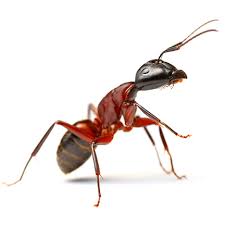
Fire ants are small, reddish brown ants known for their painful stings. Their nests usually are usually in the form of dome-shaped mounds of loose soils in gardens and sunny areas like lawns.
Fire ants sting and the venom that is injected in causes itching, burning, pain and also sometimes allergic reactions. Large infestations can lead to electrical equipment getting damaged and may harm pets and livestock.
Boiling water can be poured directly onto the mounds and even a mixture of vinegar and dish soap can be used as a deterrent.
The two step method is quite effective. It involves spreading the bait and fire around the affected area. Then the remaining mounds can be treated individually with insecticide treatments.
Yes, particularly for large or recurring infestations. Professional pest control experts use eco-safe and specialised products and advanced techniques to destroy colonies completely and prevent future outbreaks.
Argentine ants are small, light to dark brown insects measuring about 2.2 to 2.8 mm in length. They have smooth, shiny bodies and release a distinct musty odor when crushed. Unlike many other ants, they do not have a venomous sting and are often seen scurrying in long trails, forming vast colonies with large numbers of worker ants.
Argentine ants are drawn to sweet sources such as aphid honeydew, plant nectar, and sugary household foods, while also feeding on proteins and oily items when available. Their highly efficient foraging behavior often brings them indoors, where they form long, noticeable trails connecting their nests to food sources.
The behaviour of fire ants is defensive in nature. If their mound is disturbed then it might trigger a quick as well as coordinated attack. Fire ants prefer warm and sunny areas and they are often found in the gardens, lawns and also near the building foundations.
Fire ants are highly social and they build large underground colonies with a number of queens and this allows their population to grow rapidly. A single queen can lay hundreds of eggs each day, leading to thousands of worker ants in a colony.
Maintain a clean and dry environment by promptly removing food crumbs and sugary spills. Seal cracks in walls, gaps around windows, and other potential entry points to prevent access. Trim vegetation that comes into contact with the property, store food in airtight containers, and schedule regular pest inspections with Santera to ensure long-term prevention of Argentine ant infestations.


