
Protect your home or business from bat bugs by learning how to identify, prevent, and control them effectively.
How do I get rid of tropical bat bugs?
Santera Pros are trained to accurately identify and treat bat bug infestations, which are often linked to the presence of bats in or around a structure. Because bat bugs require a different control strategy than bed bugs, Santera experts use the A.I.M. approach—Assess, Implement, Monitor—to locate the source, address both the insects and their hosts where applicable, and deliver a customized plan for long-term protection and peace of mind.
Bat bugs are typically found near bat roosting sites such as attics, wall voids, chimneys, and ceilings. They may migrate into living spaces when bats leave or are excluded.
Yes. While they look very similar, bat bugs primarily feed on bats, not humans. However, they will bite people if their preferred host is unavailable.
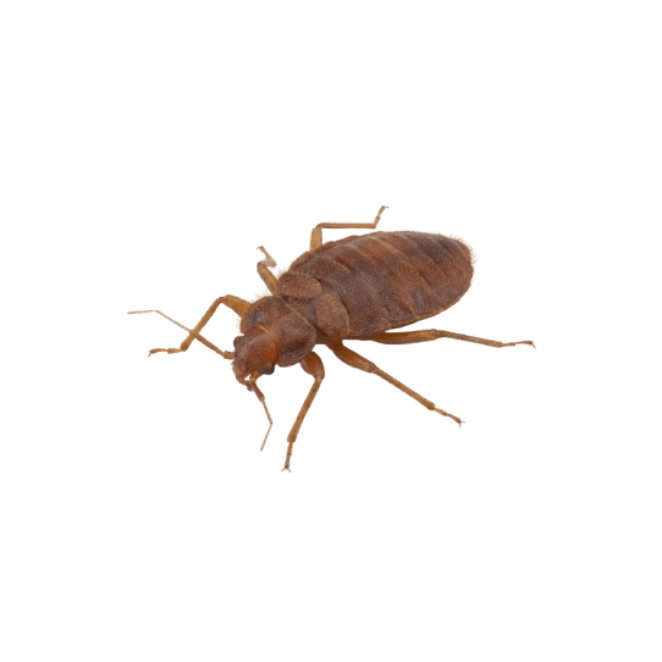
Bat bugs are small, flat, oval-shaped insects that resemble bed bugs, measuring about 4–6 mm in length. They are reddish-brown and become darker after feeding. A key distinguishing feature is the longer fringe of hairs on their thorax, visible under magnification.
Bat bugs primarily feed on the blood of bats. When bats are absent, they may bite humans, causing itchy, red welts similar to bed bug bites.
Prevent bat bugs by sealing entry points that allow bats to roost in buildings, repairing attic and roof gaps, and scheduling professional inspections if bat activity is suspected. Bat exclusion should always be handled by trained professionals.
Bat bugs hide in cracks, crevices, and areas close to bat nesting sites during the day. They become active at night to feed and may travel into bedrooms or living spaces in search of a host.
Female bat bugs lay eggs in secluded cracks near their food source. Eggs hatch in about 6–10 days under favorable conditions, and immature bugs develop through multiple stages before reaching adulthood. Without proper control, populations can persist as long as bats remain nearby.


