
Getting rid of carpenter ants requires identifying and removing both the ants and their nesting sites.
The carpenter ants do not eat wood but burrow into it to create smooth tunnels and often it leads to structural damage. The process begins with locating moisture-damaged or decaying wood, as carpenter ants prefer such areas for nesting. Ant baits and non-repellant insecticides can be used near the entry points and trails so that the ants carry the same back to the colony. Cracks, gaps and wooden crevices are sealed to block access and wood debris and firewood close to your home are removed. Leaks are fixed and ventilation is improved and this helps to reduce moisture and makes the property less attractive to them.
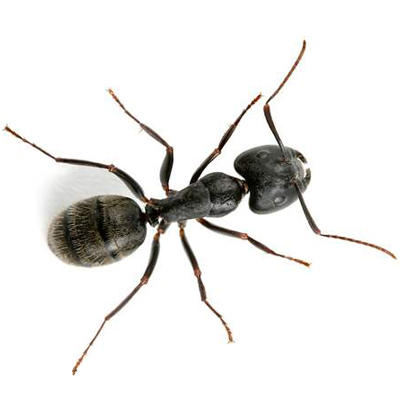
Carpenter ants are large ants, usually black or dark brown. They can be found near damp and decaying wood. They do not eat wood but they excavate it to create smooth tunnels and nests and this can weaken wooden structures over time.
Carpenter ants prefer moist, decaying or hollow wood to build their nests. Common nesting places include wooden beams, window frames and even the interiors of attics where the problems of moisture exist. They also build satellite nests away from the main colony.
Carpenter ants feed on sweets, proteins and other insects. They are particularly attracted to honey, syrup and also greasy foods. Although they nest in wood, they do not eat it and simply make tunnels to create their living space.
The main nest needs to be located and eliminated. Ant baits and non-repellant insecticides can be used. Moisture-damaged wood needs to be either removed or repaired and the entry points need to be sealed. Regular cleaning and keeping food in sealed containers can be of help as well.
Carpenter are among the largest ant species. They are typically black though some may have reddish and brownish tones. They have strong mandibles used for cutting and tunneling through the wood and their segmented bodies with bent antennae distinguish them from termites.
Carpenter ants do not eat wood. They feed on sugary substances such as fruit juices and syrups, along with proteins from insects and meat. They are often seen moving in lines along walls or floors as they search for food sources inside and around homes.
These ants are known for building nests in moist or decaying wood. They create smooth tunnels within wooden structures, which can cause significant damage over time. Carpenter ants often establish a main nest outdoors and satellite nests inside homes, especially near areas with water leaks or dampness.
Carpenter ants reproduce through a mating flight that occurs during warm months. Winged males and females leave the nest to mate. After mating, the female sheds her wings and establishes a new colony. The queen lays eggs that develop into workers and future reproductives, allowing the colony to expand steadily.
To prevent carpenter ant infestations, it is best to eliminate sources of moisture by repairing leaks and improving ventilation. Keep firewood and tree branches away from the house, and remove decayed or water-damaged wood. Seal cracks and entry points around windows, doors, and foundations.


