
Odorous house ants invade homes in search of food and moisture, releasing a foul odor when crushed. They require expert handling with precise treatments to ensure complete elimination.
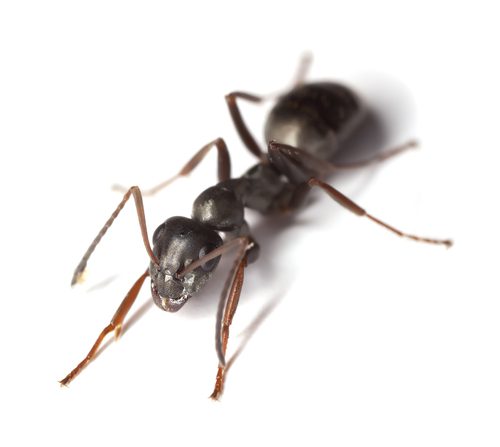
Odorous house ants are known for invading kitchens and pantries in search of sweets and moisture, leaving behind a distinct, unpleasant odour when crushed. At Santera, our expert professionals locate nesting areas, use eco-safe treatments, and eliminate ant colonies at the root. Our experts eliminate pest entry points and implement preventive measures to prevent re-infestation. We further educate homeowners on maintaining cleanliness and moisture control to discourage future ant activity. With precision, care, and sustainable methods, Santera ensures your property remains fresh, hygienic, and utterly free from odorous house ants.
No. These are ants are not very dangerous, but they do bite or sting. Also, they contaminate food and can quickly form large colonies if not controlled.
You should call pest control as soon as you notice consistent ant trails, recurring infestations, or a musty odor near food areas. Early intervention prevents colony expansion and structural nesting.
Odorous house ants are small, dark brown to black insects measuring about 2.5 to 3 millimeters in length. They have smooth, shiny bodies with no spines on the thorax. When crushed, they release a distinct, unpleasant odor similar to rotten coconuts, making identification easy.
These ants have a strong preference for sweet foods, including sugar, honey, and fruit juices. They also consume dead insects and greasy substances for protein. Indoors, they forage along trails leading to pantries, sinks, or any moisture-laden area, ensuring a constant food supply for their colonies.
Odorous house ants are highly social and move in organised trails between food and nesting sites. When disturbed, they scatter rapidly, making them difficult to control. They nest in both indoor and outdoor areas often near moisture sources like leaky pipes, wall voids, or damp wooden structures.
The ant colonies are led by multiple queens, allowing odorous house ants to reproduce rapidly and form large infestations. Each queen lays dozens of eggs that hatch into workers responsible for foraging and protection. Colonies often split when threatened, spreading infestations to new areas within the property.
To prevent odorous house ant infestations, keep kitchens clean and store food in airtight containers. Fix leaks and eliminate moisture sources. The entry points, such as cracks and crevices, must be sealed. You must schedule routine inspections and professional treatments with Santera to ensure long-term protection and a pest-free environment.


