
Garden ants invade homes and outdoor spaces in search of food, creating trails and nests. It requires careful, targeted solutions to prevent home entry and plant damage. With professional help, you can manage the growing number of black garden ants.
Black garden ants often invade kitchens, gardens, and outdoor spaces in search of food and moisture. At Santera, we use precise and eco-friendly methods to locate and eliminate entire ant colonies. Our specialists use focused treatments, close potential entry points, and employ proactive prevention methods to ensure ants don’t return. With a focus on long-term protection and safety, Santera effectively and sustainably keeps your home and garden free of black garden ants.
While they don’t bite or spread disease, they contaminate food and can become a persistent nuisance indoors.
Keep areas clean, store food properly, fix moisture issues, and schedule regular inspections with Santera’s pest control experts.
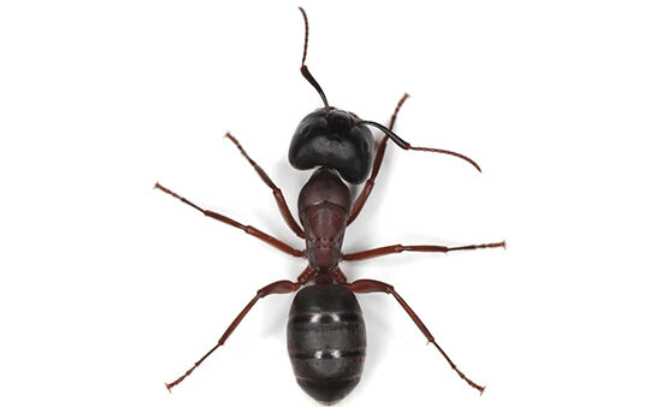
Black garden ants are small, shiny, and black in color, typically measuring between 3 and 5 millimeters. They have a segmented body with six legs and elbowed antennae, which help them navigate and communicate. These Ants are often seen moving in long, organized trails outdoors.
Black garden ants feed primarily on sweet substances such as nectar, sugary foods, and honeydew secreted by aphids. They also consume protein-based food to sustain the colony. Their constant foraging makes them frequent invaders of kitchens and outdoor dining areas, especially during warmer months.
These ants are highly social and live in well-organised colonies. They create trails to food sources using scent signals, allowing thousands to move in coordination. Black garden ants often nest under pavements, lawns, or building foundations and can quickly expand their colonies if not adequately controlled.
A single fertile queen leads the colony, laying hundreds of eggs that hatch into workers, soldiers, and future queens. During summer, winged males and females participate in mating flights, spreading colonies further. The mated females then establish new nests, causing rapid population growth in nearby areas.
To prevent garden ant infestations, keep all food tightly sealed, wipe away crumbs, and repair any cracks or crevices. Avoid leaving pet food outdoors and control aphid populations in gardens. Regular inspections and professional pest management from Santera ensure long-term protection against black garden ant invasions.


