
Argentine ants form massive colonies and invade quickly in search of food. Their rapid spread requires precise, professional treatment and strategic control to ensure complete, long-term elimination.
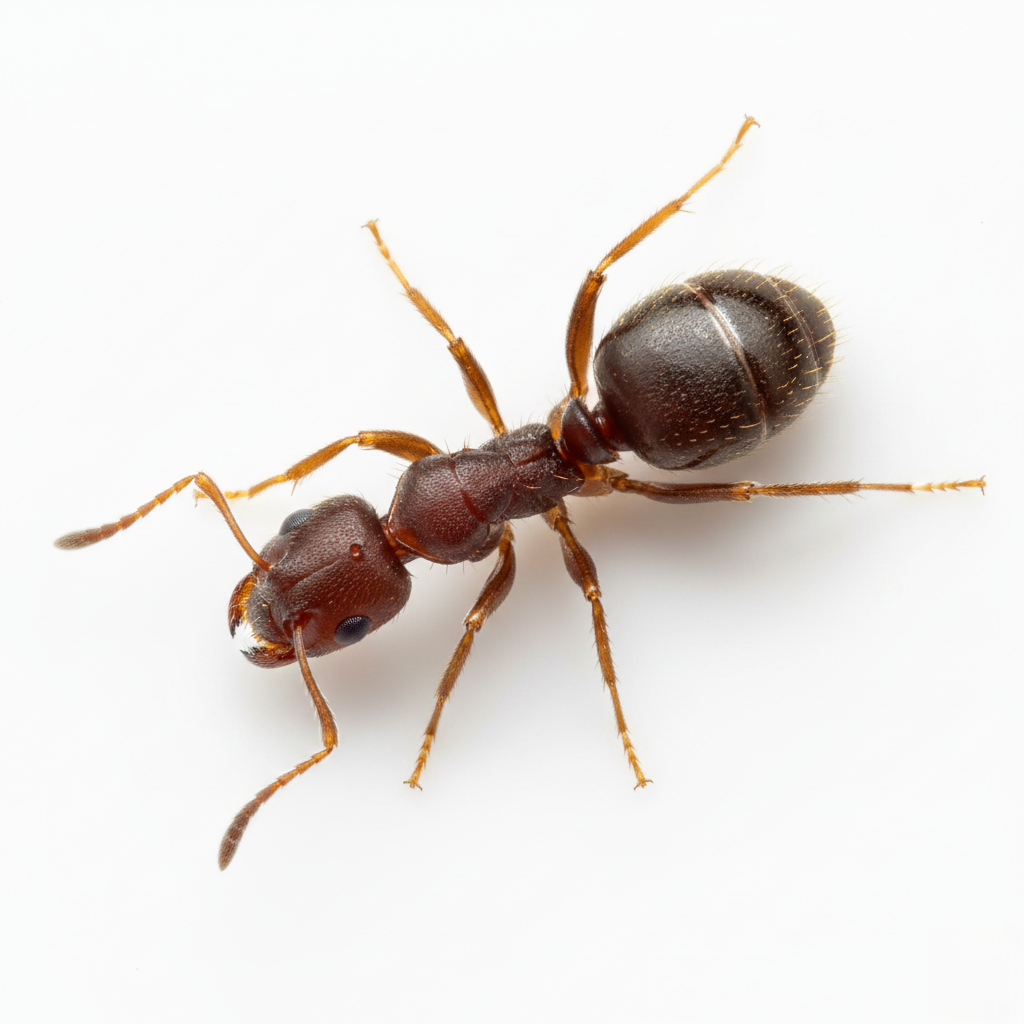
Argentine ants are persistent invaders that form large colonies and spread rapidly, thereby making DIY control ineffective. It requires professional intervention. At Santera, we use advanced inspection methods to locate nests and apply targeted, eco-friendly treatments that eliminate ants from the root. Our experts ensure long-term prevention by sealing entry points and disrupting their trails. With Santera’s professional pest management, your home or business stays protected, safe, and completely free from Argentine ant infestations.
Argentine ants form massive colonies with multiple queens, making them resilient and difficult to eliminate using regular household treatments.
Santera identifies nesting areas, applies targeted eco-safe treatments, and implements preventive measures to effectively stop future invasions.
Argentine ants are small, light to dark brown insects measuring about 2.2 to 2.8 mm long. They have smooth, shiny bodies and a distinct musty odor when crushed. Unlike other ants, they lack a stinger but scurry in long trails, forming extensive colonies with numerous worker ants.
Argentine ants feed on sweet substances like honeydew from aphids, plant nectars, and sugary household foods. They also consume proteins and oily foods when available. Their strong foraging instinct leads them indoors in search of food, creating long, visible trails between their nests and food sources.
Argentine ants are social and highly cooperative. They form supercolonies containing multiple queens and thousands of workers, enabling rapid population growth. These ants invade aggressively, displacing native species. Their constant movement in organized trails allows efficient food gathering, making infestations persistent without professional control or prevention.
Argentine ants reproduce rapidly because colonies have multiple queens. Each queen lays hundreds of eggs, ensuring continuous expansion. Unlike other ants, they spread by “budding,” where a group of workers and queens move to start a new colony nearby, making infestations harder to eliminate.
Keep your surroundings clean and dry, and remove any food crumbs or sugary spills immediately. Seal any wall cracks, window gaps, and entry points to block access. Trim any vegetation touching your property, store food in airtight containers, and schedule regular pest inspections with Santera to prevent Argentine ants long-term.


